HOW to CHOOSE a Luxury INTERIOR Designer in LONDON
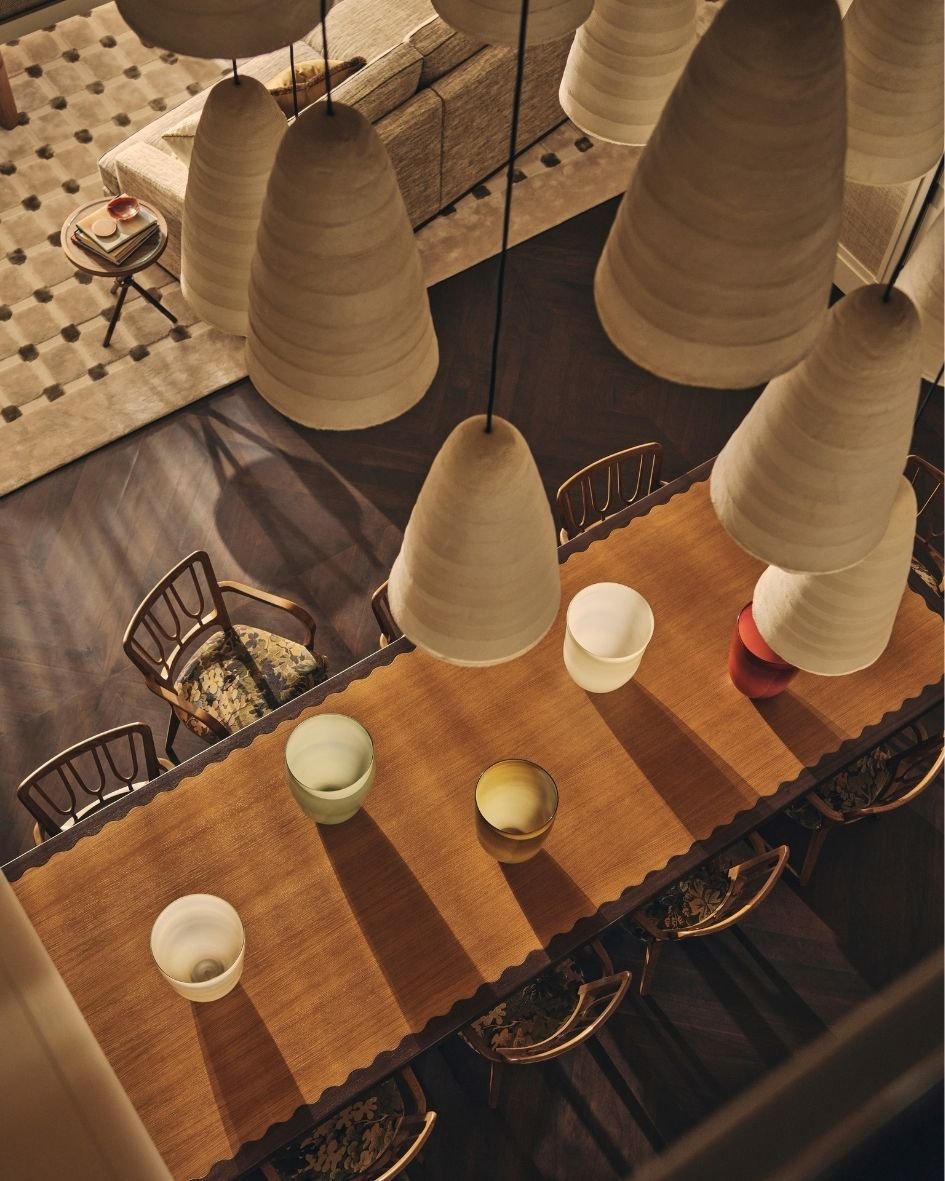
What distinguishes a truly considered design studio, from the intelligence of its process to the enduring character of its work
Interior Design Firms in London: How to Choose the Right Luxury Studio
A guide to what separates a truly considered luxury studio from a polished portfolio.
Choosing a luxury interior designer in London is an intensely personal decision. Beyond the beauty of a portfolio lies a more important question: can a studio understand not only the home or space you wish to create, but the life you wish to lead within it?
The finest interiors are shaped by more than aesthetic instinct. They emerge through a dialogue between architecture, craftsmanship and the individual rhythms of their inhabitants, supported by technical expertise, trusted relationships and a considered design process.
When selecting an interior design firm in London, it is worth looking beyond the finished photographs. Consider the breadth of the studio's experience, the intelligence of its approach, the quality of its collaborators and its ability to translate a deeply personal brief into an enduring home.
This guide explores the qualities to look for in a luxury interior design studio, the questions worth asking during an initial consultation, and the details that distinguish a compelling portfolio from a truly considered practice.
What Defines a Luxury Interior Design Studio in London Today?
The term luxury interior design can describe a broad spectrum of work. At its best, however, it is not defined by a particular material, aesthetic or level of decoration. It is found in the specificity of the response.
A successful interior should understand its architecture, location and history, but above all the people who will inhabit it. Their routines, collections, interests and ways of entertaining can all influence decisions around planning, lighting, materials, furniture and art. This requires more than aesthetic instinct.
Interior design studios can work across very different scopes, from decoration and furniture selection to extensive interior architecture, spatial reconfiguration, custom furniture, procurement and project coordination. Understanding where a studio's expertise sits, and whether that aligns with the ambitions of a project, is an important starting point.
The right studio should ultimately be able to explain not only what it creates, but why.
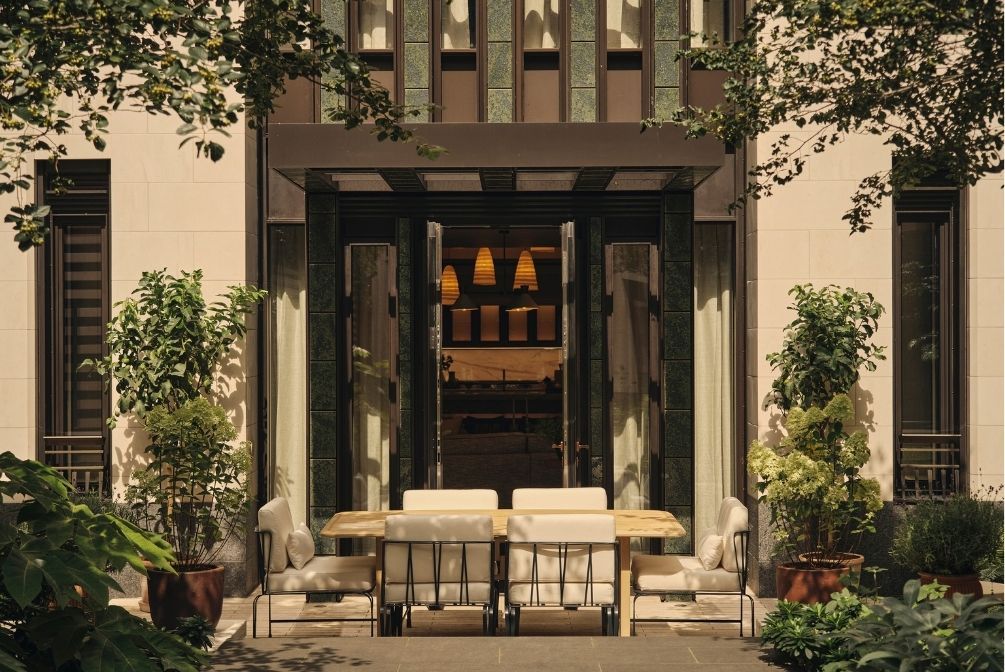
Mayfair Garden Escape Home
How to Evaluate a Luxury Interior Designer's Portfolio
A portfolio is naturally one of the first places to begin. It reveals the calibre and character of a studio's work, but looking at it critically can tell you considerably more than whether you like what you see.
Look for versatility
One of the most revealing questions is whether every project looks the same. A recognisable level of quality is important, a recognisable formula is different.
The best interior designers in London may have a clear point of view without imposing a single visual identity across every commission. A townhouse in Chelsea, a lateral apartment in Mayfair and an international residence should not necessarily speak the same design language. The continuity lies not in a prescribed aesthetic, but in the care with which each interior responds to its inhabitants, architecture and setting.
Instead, look for evidence that projects respond individually to their occupants and context.
Differences in colour, material, furniture and art can be revealing, but so can deeper architectural decisions. How has the plan responded to the client's life? How does the interior relate to the building? Does the studio appear comfortable moving between different periods, locations and ways of living? A diverse portfolio can demonstrate that the designer is listening before designing.

Consider context
An interior does not exist independently from its surroundings. Architecture, geography, natural light, views and the history of a building all provide information. A considered studio knows when to preserve, when to reinterpret, and when intervention is necessary.
This becomes particularly important when working with listed buildings, significant architectural properties or residences within established developments, where design decisions may need to respond intelligently to an existing framework.
Look for projects where the interior feels connected to its setting rather than simply placed within it.
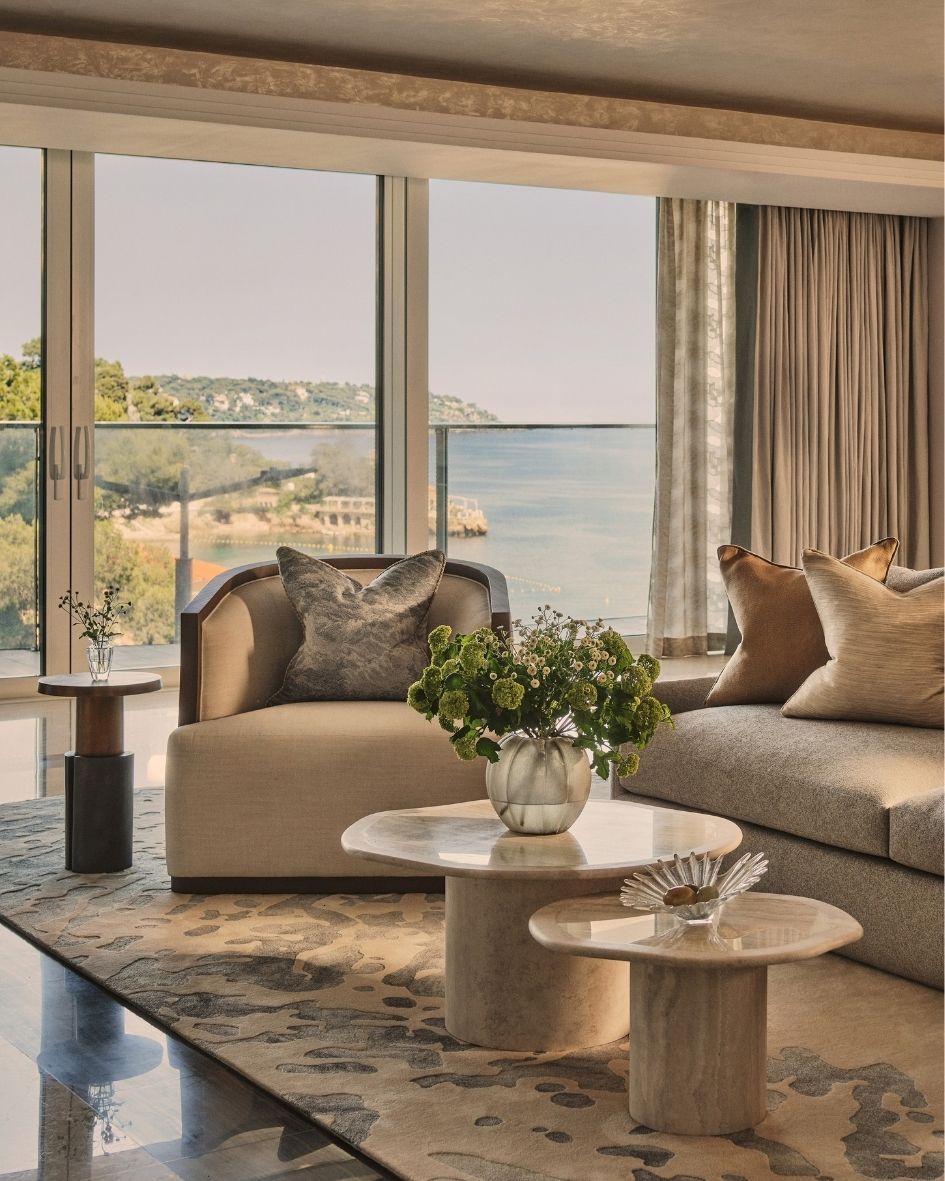
Monaco Retreat
Look closely at quality
Photography can communicate atmosphere beautifully, but it is worth looking beyond the overall impression. Consider junctions, joinery, furniture proportions, lighting and the relationship between materials. Details often reveal the depth to which a project has been resolved.
Quality is also found in restraint. Not every surface needs to make a statement and not every room needs an obvious focal point. Often it is the subtler relationships between architecture, material and furniture that allow an interior to feel coherent.
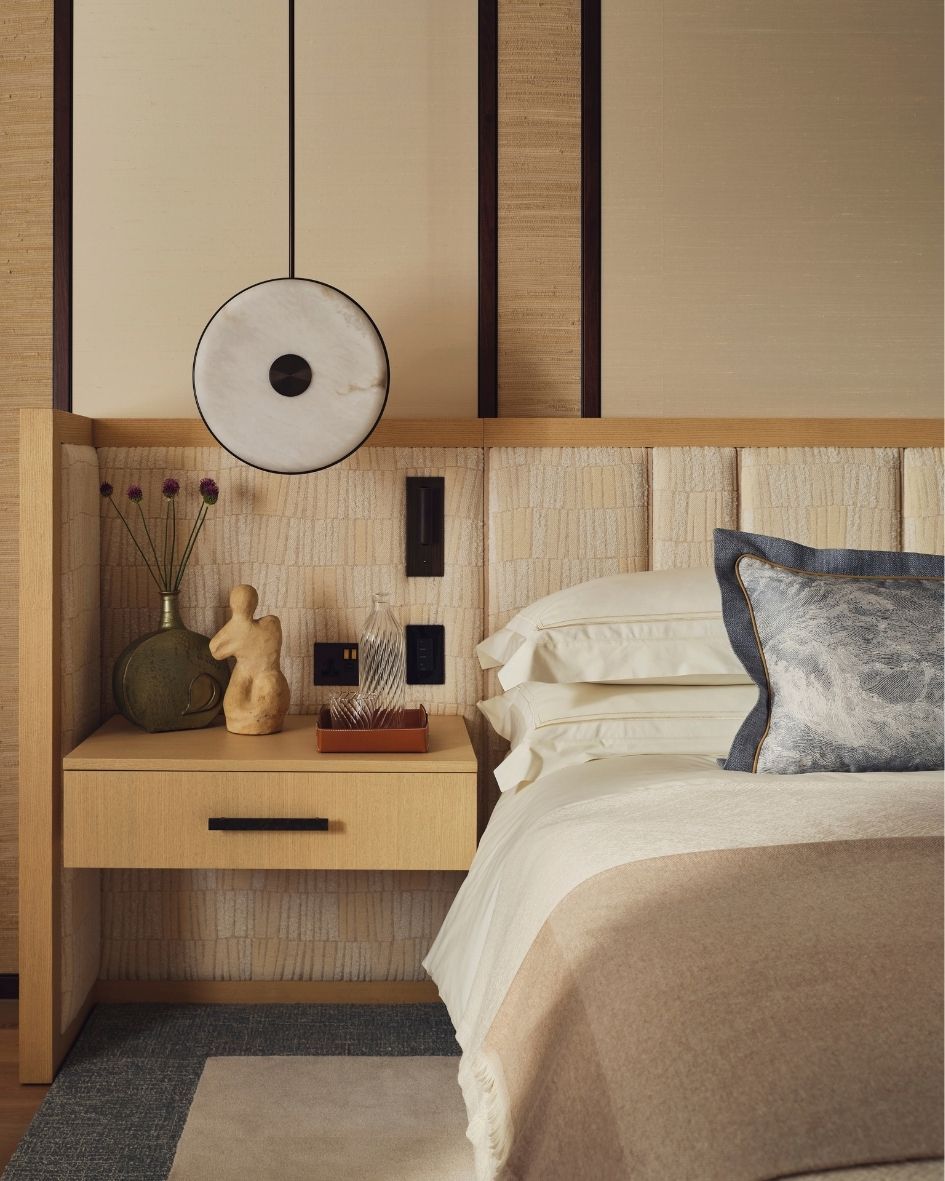
In luxury residential interior design, craftsmanship often reveals itself in the smallest decisions: the meeting of two materials, the proportion of bespoke joinery, the softness of a lighting scheme or the quiet precision of a beautifully resolved detail. These are the elements that may escape immediate attention, yet shape how an interior is experienced over time.
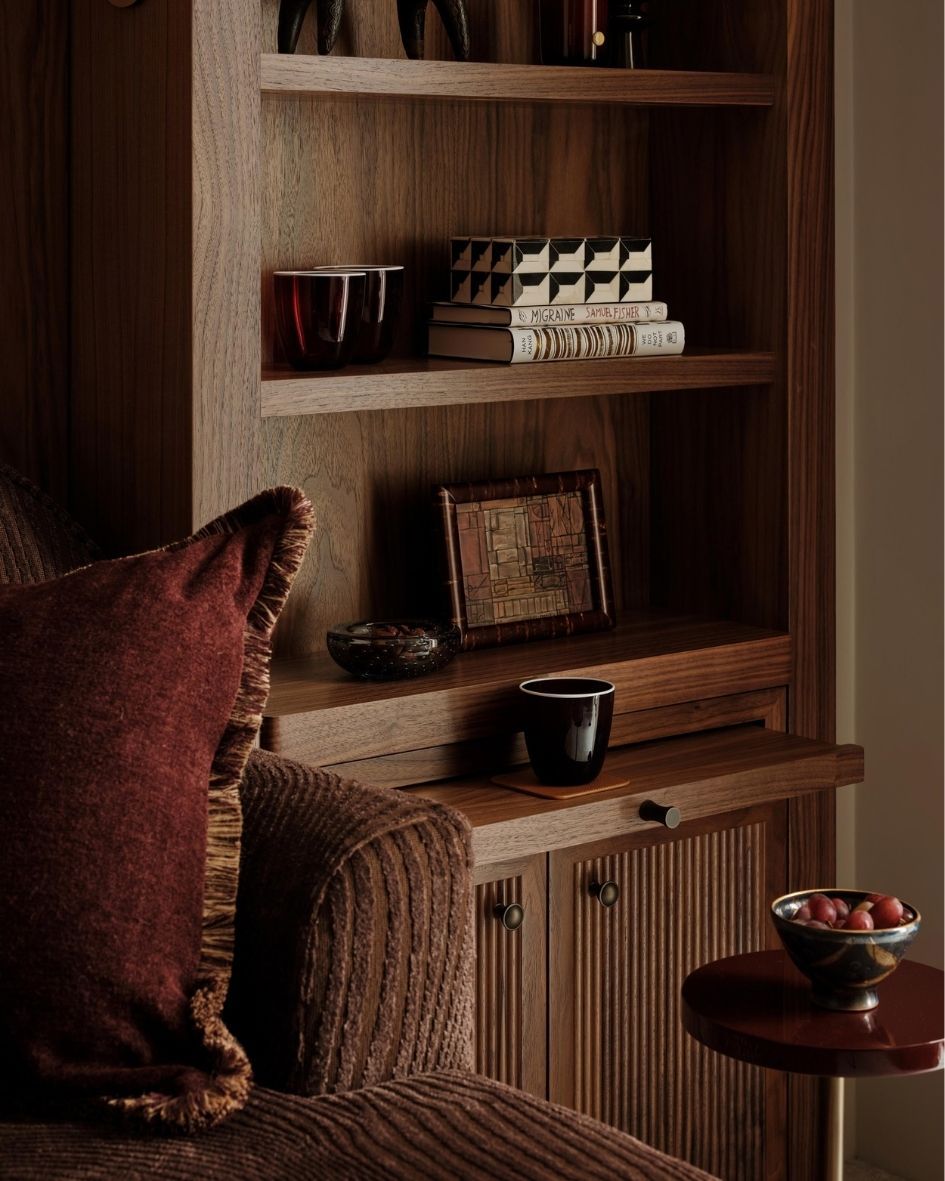
Chelsea Residence
Consider the breadth of work
A multidisciplinary portfolio can offer another indication of capability.
Expertise spanning interior design, architecture and project management brings a more integrated understanding of the design process, from initial concept through to delivery.
Equally, experience across private residences, hospitality and developments exposes a studio to different ways of thinking about service, circulation, durability and human behaviour. Together, this breadth of disciplines and project typologies can demonstrate a studio’s ability to respond thoughtfully to varying contexts and requirements.
It is also worth remembering that a public portfolio is rarely exhaustive. Studios working with private or high-profile clients may be unable to publish significant commissions. What appears online should therefore be treated as an introduction to the work, rather than a complete record of it.
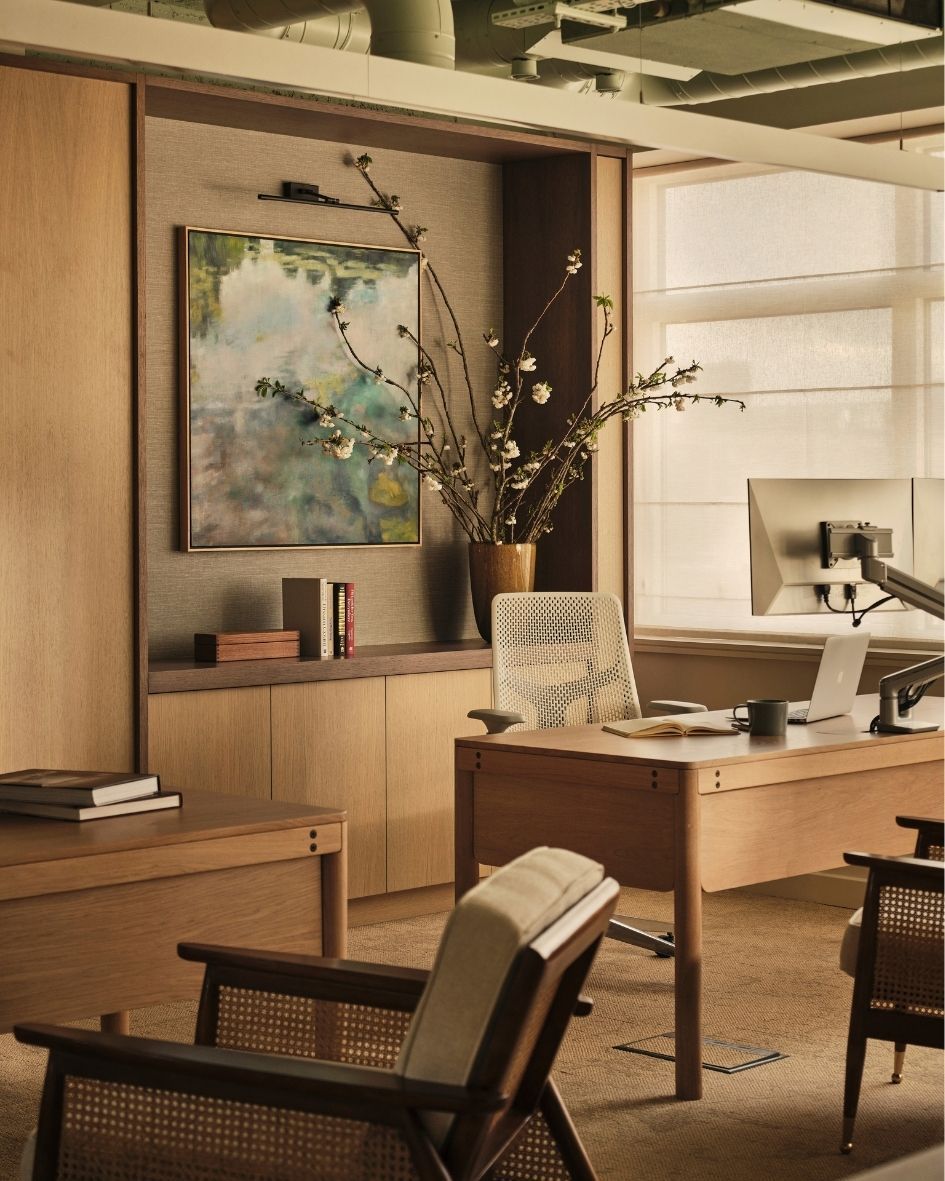
Wigmore Private Office
What Services Should a Luxury Interior Design Studio Offer?
Two interior design studios can use the same terminology while offering quite different services. Before appointing a practice, it is worth understanding how far its involvement extends.
Does the studio undertake interior architecture and spatial planning as well as interior design? Can it develop custom furniture and joinery? Does it oversee procurement? How does it collaborate with architects, contractors and consultants? Who coordinates the different creative and technical strands of the project? For a substantial commission, these questions can be as important as aesthetic compatibility.
A cohesive approach allows decisions about architecture, lighting, furniture, materials and art to inform one another from an early stage. Rather than approaching a home as a sequence of individual decorative decisions, the project can develop as a coherent whole.
The design process itself is equally revealing. A strong studio should be able to articulate how a project moves from initial conversations and briefing through concept development, detailed design, procurement and installation. There should be enough structure to give the process clarity, but enough flexibility for ideas to develop as the studio learns more about the client.
Why Craftsmanship and Specialist Networks Matter
An interior is rarely the work of an interior designer alone. Behind a completed project may sit architects, engineers, lighting consultants, landscape designers, contractors, art advisers, galleries, makers and specialist craftspeople.
A studio's network is therefore an important part of its expertise. Established relationships can provide access to specialist knowledge and craft, whether that means commissioning a piece of furniture for a particular room, developing a complex stone detail or sourcing an artwork that completes a wider composition.
The strength of these relationships also becomes important during delivery. Interior projects involve many moving parts and successful collaboration relies on communication between different disciplines.
For international projects, look for experience working across borders too. A London interior design studio may be coordinating with architects, contractors and makers in another country, navigating local regulations, procurement requirements and different ways of working. Experience delivering projects internationally can provide valuable understanding of how to establish a consistent design vision while working effectively with local expertise.
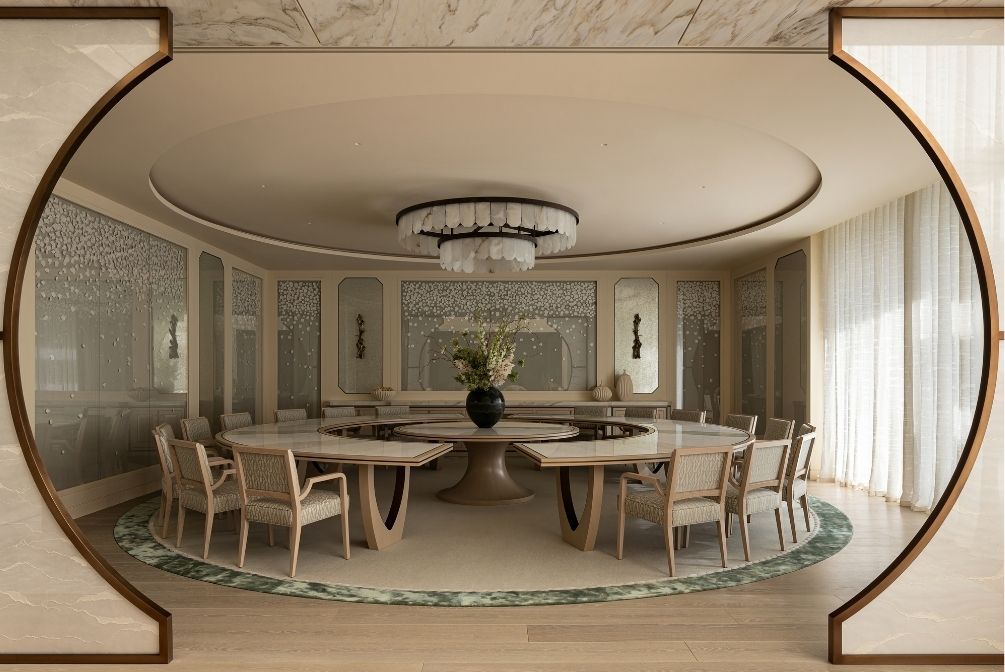
Dubai Family Villa
Credibility Signals: Press, Awards and Recognition
Press coverage and awards can provide useful independent context when researching top interior designers in London.
Recognition from established design publications or professional organisations can indicate that a studio's work has been considered beyond its own channels. Awards can also highlight particular strengths in areas such as interior architecture, residential design, craftsmanship or development.
Consider what a studio has been recognised for and whether that aligns with the qualities important to your project. A long list of accolades may demonstrate an established reputation, but relevance matters more than quantity. Editorial recognition from publications such as House & Garden and Country & Townhouse can provide a layer of independent validation, reflecting how a studio’s work is regarded beyond its own portfolio.
Professional affiliations can offer another useful signal. Organisations such as the British Institute of Interior Design and the Society of British and International Interior Design provide industry frameworks around professional practice.
Formal accreditations are equally worth considering. Elicyon, for example, is a RIBA Chartered Practice, reflecting its commitment to recognised professional standards, ongoing development and accountability. Such credentials offer clients an additional level of reassurance when selecting a design studio.
Ultimately, recognition is most useful as supporting evidence. The portfolio, process and people should remain central to the decision.
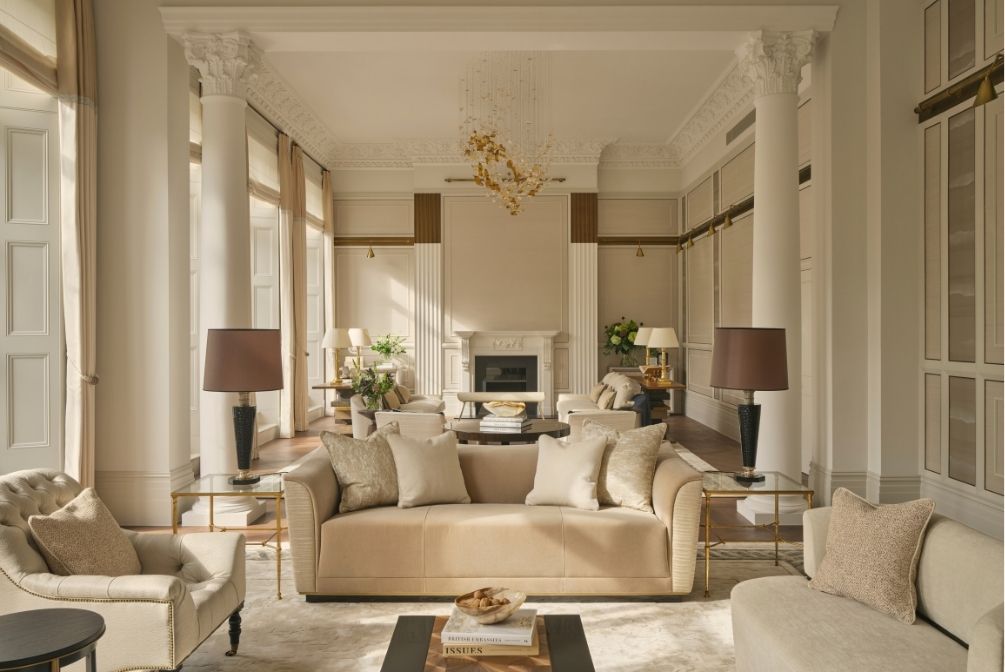
Lancaster Residence
Meeting the Team: What to Look For
An interior design consultation is not only an opportunity for a studio to understand a potential client. It is equally an opportunity to understand the studio.
During an initial interior design consultation, clients should ask about the studio's experience with comparable properties, its approach to budgets and timelines, the services included within its scope, and who will oversee the project from concept to completion. Equally important is understanding how the designers listen, interpret a brief and build a working relationship.
Designing a significant residence can take several years. The relationship therefore matters. Pay attention to how the team listens. Are they curious about how you live, rather than moving immediately towards an aesthetic solution? Do they ask about routines, priorities, collections, entertaining and the practical realities of daily life?
It is also worth understanding the structure of the team, including its size, who will lead the project day to day, the level of involvement from senior designers and directors, and which disciplines are held within the studio or brought in externally.
Useful questions for a first meeting might include:
Who would lead the project and remain the principal point of contact?
How does the studio develop a brief and establish the client's priorities?
How are budgets, programmes and design changes managed?
How does the studio work with architects, contractors and other consultants?
What experience does the team have with projects of a similar scale, location or architectural context?
How do you structure your fees, and what services or third-party costs sit outside the agreed scope?
There is no single correct answer to these questions. Their value lies in understanding whether the studio's way of working feels compatible with your own.
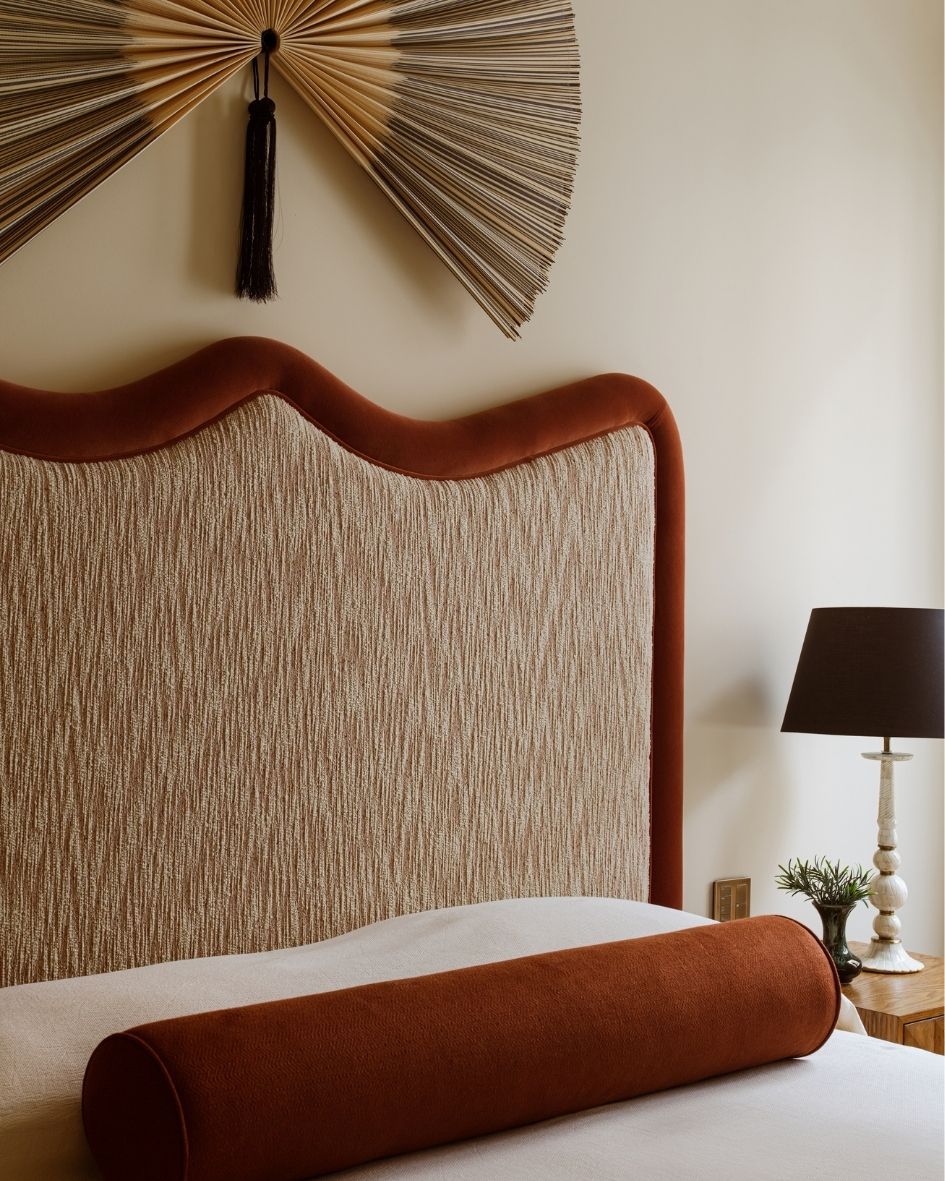
The OWO Residences
Designing for Longevity, Not Trends
A portfolio also offers an opportunity to look backwards. Rather than considering only the studio's newest projects, look at work completed five or ten years ago. Does it still feel relevant?
Longevity does not require an interior to be neutral or conservative. Characterful spaces can endure just as successfully; what matters is whether decisions feel grounded in architecture, craftsmanship, material quality and the individuality of the client rather than a momentary visual trend.
The distinction is important. Contemporary design should reflect the time in which it is created, but a home is expected to live considerably longer than a trend cycle. Natural materials may develop a patina, art collections can grow, furniture can move between rooms and family life can change. A considered interior has enough depth and flexibility to accommodate that evolution.
Look, too, at whether older projects retain a sense of identity. The most enduring interiors are often those that were never designed to represent a particular moment in the first place. They were designed around a particular person, place and way of living.
For Elicyon, longevity begins with an understanding of the individual rather than the pursuit of a particular style. An interior should have the confidence to reflect its moment, while retaining the flexibility to evolve as collections grow, routines change and new chapters of life unfold.
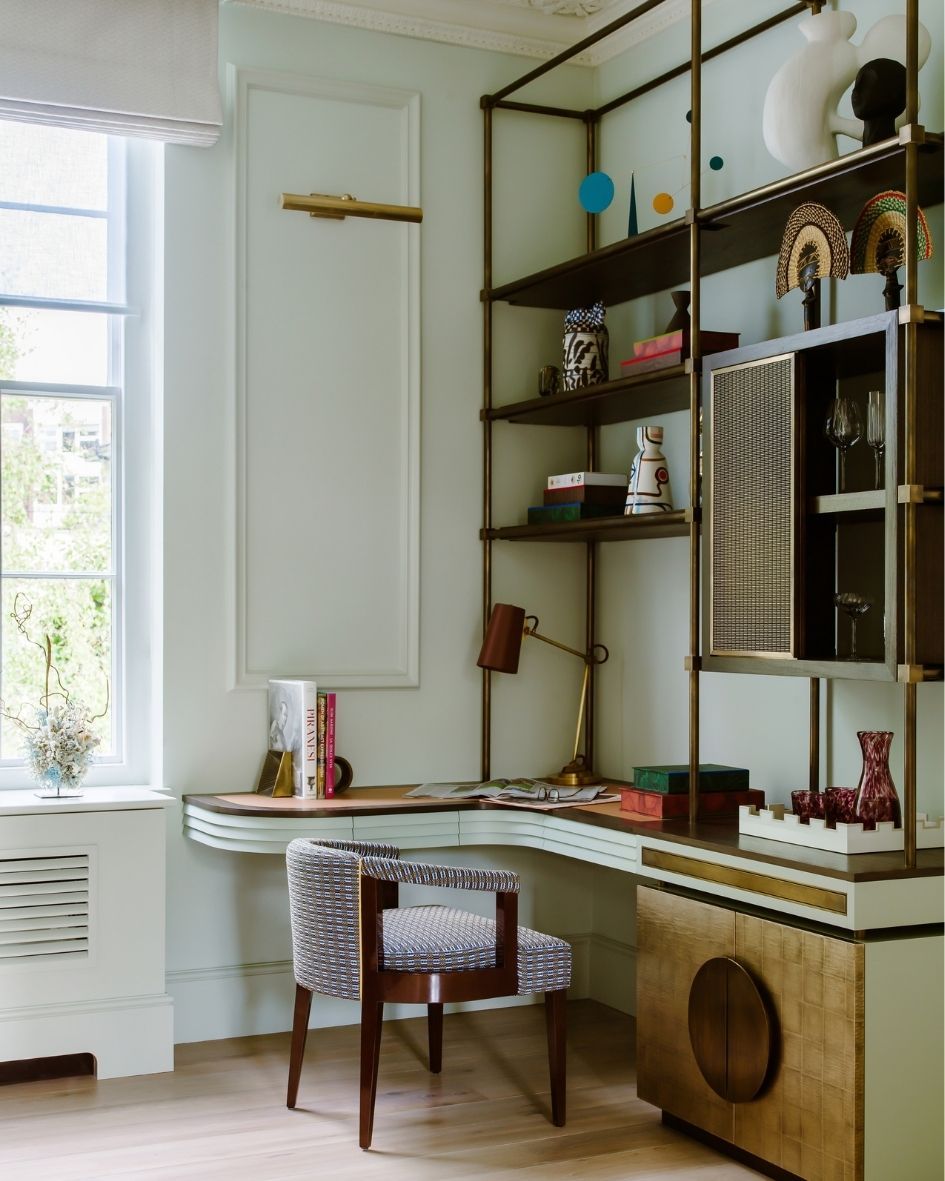
North London Family Home
Bringing It Together: How to Choose the Right Interior Design Studio
Choosing between interior design firms in London ultimately involves balancing several forms of confidence.
There is creative confidence: believing that a studio understands what makes an interior compelling without imposing a predetermined aesthetic.
There is practical confidence: knowing that the team has the experience, technical capability, network and structure required to deliver the project.
And there is personal confidence: feeling that the people involved understand how you want to live and can translate that understanding into decisions at every scale.
A portfolio can begin that conversation, but it cannot answer everything. Look at the variety between projects. Consider how the studio speaks about its work and whether it can explain the reasoning behind design decisions. Understand who will be involved, how the process operates and which relationships sit behind the finished interiors. Look at work from several years ago as carefully as the most recent commission.
The right studio is not necessarily the one whose previous project most closely resembles the home you imagine. It is the one capable of understanding why your project should be different.
Considerations Before Appointing a Luxury Interior Designer:
What should I look for in a luxury interior designer in London?
Look beyond aesthetic compatibility to consider experience, technical expertise, craftsmanship and the studio's approach to collaboration. An exceptional designer should be able to demonstrate not only beautiful interiors, but a thoughtful process for understanding and interpreting each client's individual needs.
What is the difference between an interior designer and an interior architect?
Interior design encompasses the planning, atmosphere, materiality and furnishing of an interior, while interior architecture typically involves a deeper engagement with spatial configuration and the relationship between interior spaces and the existing building. In practice, the disciplines often overlap, making it important to understand the specific capabilities and services offered by each studio.
When should I appoint an interior designer for a luxury residential project?
Ideally, a designer should be involved early enough to influence the spatial planning, architectural coordination and overall design direction. Early collaboration allows decisions about lighting, joinery, materials, furniture and art to develop as part of a coherent vision rather than as separate considerations.
The right studio is not necessarily the one whose previous project most closely resembles the home you imagine. It is the one capable of understanding why your project should be different.
At Elicyon, every commission begins with a conversation: an opportunity to understand the architecture of a place, the individuality of its inhabitants and the possibilities that emerge when the two are considered together.
From London residences to international homes, our studio approaches luxury interior design with a commitment to craftsmanship, thoughtful collaboration and interiors of enduring character.
For many of our clients, this relationship extends well beyond a single commission. With 65% of clients returning to work with us, we believe the most meaningful spaces emerge from relationships built on trust, understanding and a shared appreciation for the design process. What begins as a collaboration often becomes a lasting connection with the studio.
Explore our residential, commercial and development portfolio, discover more about our studio or begin a conversation about your project with our Client Relationships Director, Tess Cavendish, directly at tcavendish@elicyon.com.
Share Article
EXPLOREMORE
Go beyond the finished spaces. Explore the insights, inspirations, collaborations, and ideas that shape our world.