Rethinking TRADITIONAL INTERIORS: Why HERITAGE DETAILS Feel MODERN Again
How craftsmanship, architectural detail and material richness are shaping a more enduring approach to contemporary living.
In recent years, design has witnessed a noticeable shift. As trends move faster than ever and visual inspiration becomes increasingly immediate, many homeowners are looking in a different direction. Rather than seeking novelty, they are seeking permanence; rather than designing only for the next few years, they are thinking about the decades ahead.
This growing appreciation for longevity has fuelled the rise of the modern traditional interior – an approach that draws inspiration from heritage design while remaining firmly grounded in modern life. It is not about recreating or replicating period interiors, but rather borrowing the qualities that have allowed traditional design to endure: thoughtful proportions, skilled craftsmanship, material richness and architectural depth.
The result is a home that feels rooted rather than nostalgic, familiar but not predictable, and designed to evolve.

Moving Beyond Trends in Interior Design
The appeal of timeless interior design lies partly in its resistance to the short lifecycle of trends. While design movements have always come and gone, the pace of change has accelerated dramatically. Thanks in part to the ephemerality of social media and pinterest, interior design trends can rise to prominence and fall out of favour within a matter of years. In response, many clients are prioritising interiors that feel more personal and lasting. They are looking for spaces that reflect how they live, rather than what is currently popular.
This is where heritage interior design continues to resonate. Drawing on architectural details, enduring craftsmanship, natural materials and thoughtfully collected pieces, it creates interiors with a sense of depth and continuity rather than relying on passing trends. Traditional architectural principles were developed over centuries, refined through use and experience. Their enduring appeal often comes from a deep understanding of proportion, balance and comfort rather than decorative excess. For the modern homeowner, these principles offer something increasingly valuable: a sense of permanence and authenticity.

Architectural Details With Enduring Appeal
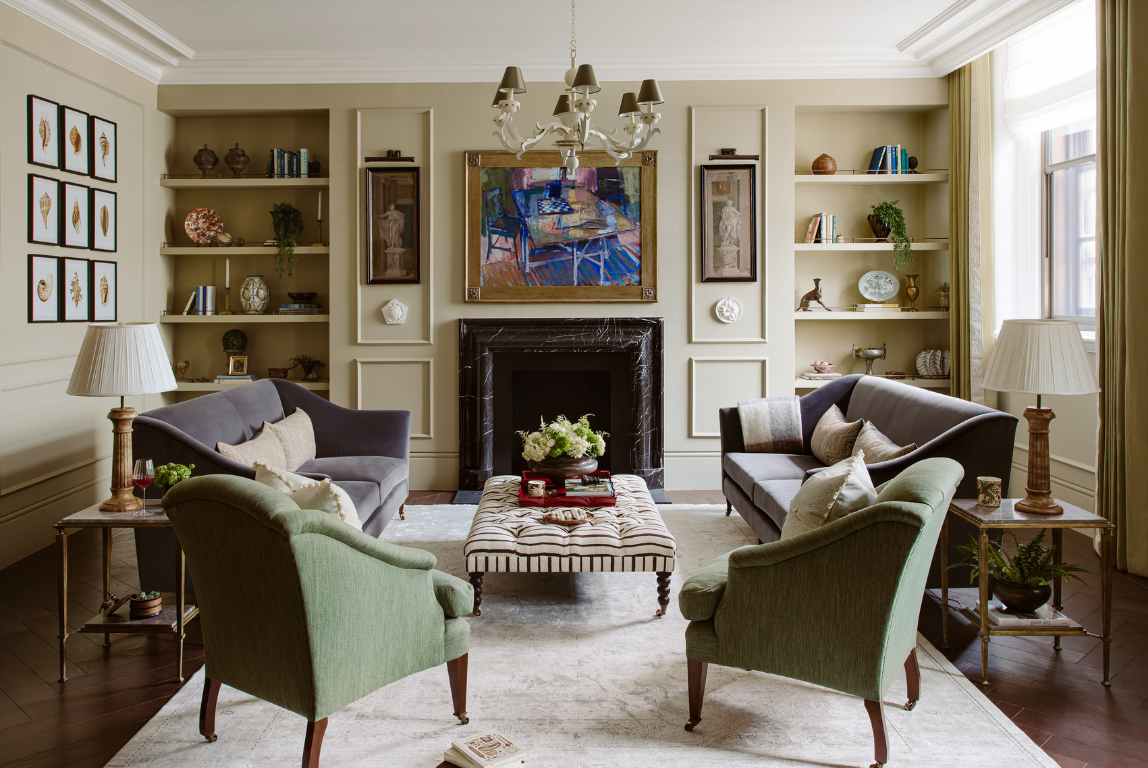
One of the defining characteristics of heritage interiors is their architectural richness. Original mouldings, panelling, cornicing and traditional joinery bring depth, rhythm and character to a space. Even in contemporary settings, these elements create a level of visual interest that flat surfaces rarely achieve.
Traditional architectural details provide a framework for interiors. They establish hierarchy, define proportions and create moments of focus throughout a home. Importantly, they also offer a sense of permanence. A carefully detailed room feels considered even before furniture or decoration is introduced.
At Elicyon's North London Family Home, for example, architectural interventions were approached with sensitivity to the Grade II listed property's character while supporting the needs of contemporary family life. Original features, including refinished floorboards and Regency-inspired panelling, sit comfortably alongside modern spatial planning, creating a home that feels connected to its history without being constrained by it.

Similarly, within The OWO Residences, heritage architecture provides a rich foundation that is balanced by contemporary furnishings, antique finds, carefully selected materials and a refined approach to decoration that honours the history of the Old War Office, which dates back to 1906. High ceilings adorned with intricate mouldings juxtaposed rare antiques and custom-made pieces, resulting in a quiet grandeur fitting of a residence within the London landmark.

Craftsmanship as a Design Language
Alongside architectural detail, craftsmanship remains one of the most compelling aspects of traditional style interior design. Historically, homes were shaped by skilled makers whose work was visible throughout the interior. Joinery, stonework, plasterwork and metal detailing all contributed to a layered sense of quality and permanence.
Today, this emphasis on craft feels more relevant than ever. In an age of rapid production and changing trends, there is renewed appreciation for the time, expertise and heritage techniques behind handcrafted pieces, where decades of knowledge are reflected in every detail. As clients become increasingly conscious of longevity and sustainability, there is growing appreciation for materials and details that improve with age. Natural stone, for example, develops character through use, while timber acquires a patina unique to its environment. Hand-finished surfaces reveal subtle variations that cannot be replicated through mass production.
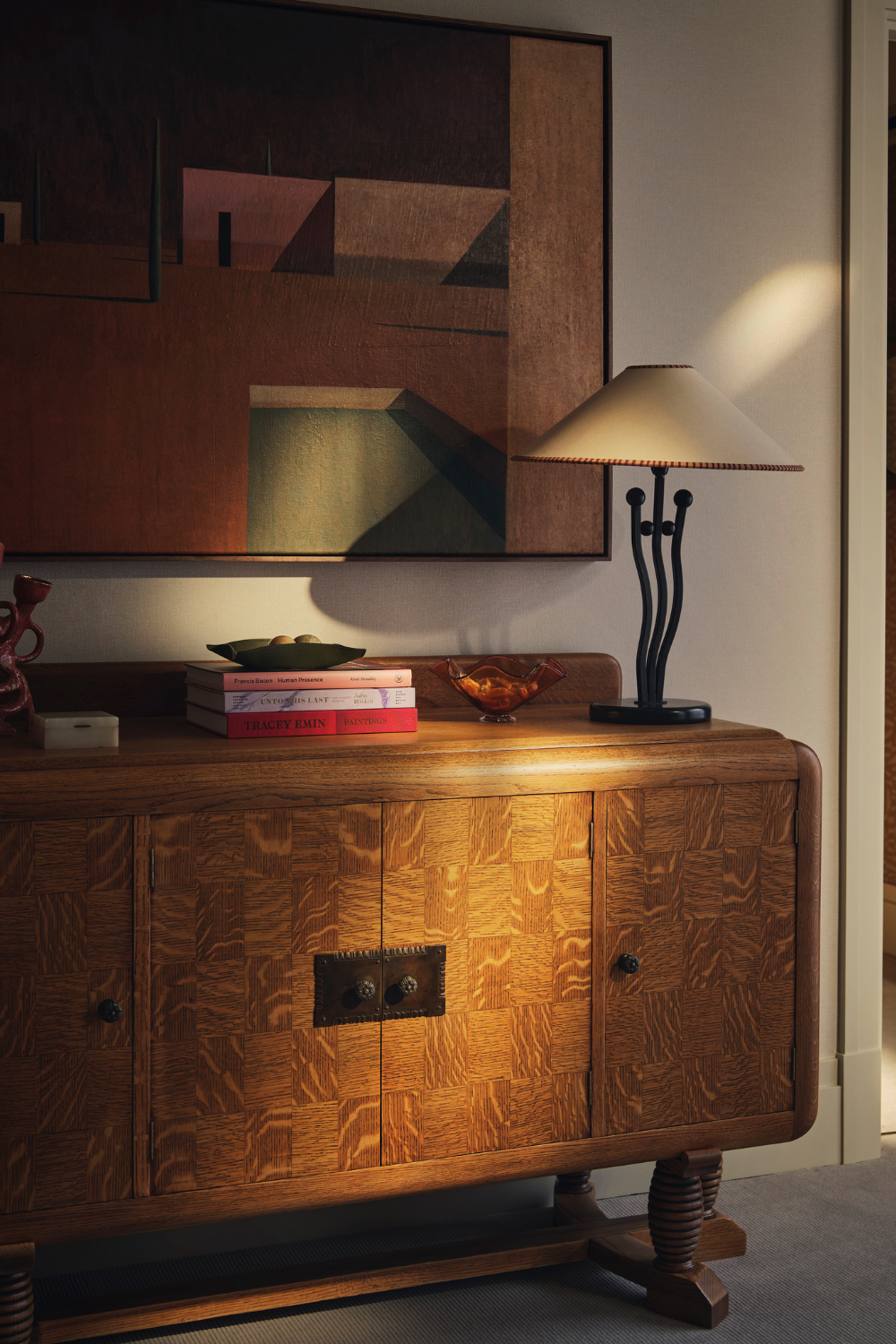
A beautiful example of this can be found in Elicyon's 60 Curzon Apartment, where Elicyon honoured the storied glamour of Mayfair's Art Deco heritage via bespoke cabinetry, a restored 1936 maple wood grand piano, textured wall finishes and custom interior elements inspired by the 1920s design movement. The project exemplifies modern classic interior design, where craftsmanship serves as a bridge between past and present. Traditional techniques are applied in contemporary ways, creating interiors that feel both familiar and fresh.

Layered Interiors That Evolve Over Time
One of the reasons heritage-inspired interiors continue to resonate is their sense of evolution. Traditional homes rarely emerge fully formed. Instead, they accumulate character over decades through architecture, furnishings, artwork and objects gathered over time. This gradual layering creates richness and individuality that cannot be achieved through a singular decorative gesture.
Increasingly, homeowners are embracing a similar approach. Rather than expecting a home to feel instantly complete, they are seeking interiors that can adapt and mature alongside them.
This philosophy informed the design of the Lancaster Residence. With a location overlooking Hyde Park, the project balances classical architectural references with a more relaxed and contemporary sensibility. Rich natural materials, carefully considered joinery and a restrained palette create a sense of permanence, while vintage furnishings and collected pieces introduce depth and personality. The result is an interior that feels established rather than newly installed – a home that appears to have evolved naturally over time.

Layered interiors also tend to foster a stronger emotional connection. They leave room for personal history, allowing spaces to absorb new memories, objects and experiences without losing their coherence. In this way, heritage-inspired design is not about preserving the past but creating a framework for the future.
Heritage and Emotional Connection
The enduring appeal of heritage interiors extends beyond aesthetics. At their best, they create an emotional response, offering familiarity, comfort and a sense of belonging.
Many traditional architectural elements have persisted because they respond intuitively to the way people experience space. Generous proportions create calm. Natural materials bring warmth and texture. Architectural detailing introduces a sense of rhythm and permanence that grounds an interior.
This understanding of how people inhabit their homes sits at the heart of Elicyon's design philosophy. Rather than applying heritage references as decorative motifs, the studio considers how architectural details can support the rituals and rhythms of everyday life.
At the North London Family Home, for example, alongside original features, custom-designed pieces were introduced to reflect the family's personality and daily routines. Elsewhere, in the sitting room, a custom bamboo-silk carpet inspired by the family's own history anchors the space. The resulting interiors feel deeply personal, shaped not only by the architecture itself but by the lives unfolding within it.

Balancing Traditional Detailing with Contemporary Living
Of course, modern lifestyles demand something very different from the homes for which many traditional architectural details were originally conceived. Open-plan living, integrated technology and changing patterns of family life require interiors that are flexible as well as beautiful. The most successful modern traditional interiors embrace this tension rather than resisting it.
At The OWO Residences, for instance, heritage architecture provides a remarkable framework, but the interiors are designed entirely around contemporary living. Historic proportions, decorative mouldings and original architectural features are complemented by custom furniture, integrated technology and layouts tailored to modern lifestyles. The result is an environment that honours the building's history while remaining entirely relevant to the present.

A similar approach can be seen at 60 Curzon Apartment. While the design draws upon the glamour and craftsmanship of the Art Deco period, contemporary interventions ensure the apartment feels suited to modern city living. Tailored joinery conceals practical requirements, while custom furnishings and contemporary artworks introduce a sense of ease and informality that prevents the interiors from feeling overly referential.

This balance is what defines contemporary heritage interiors today. Rather than recreating historical environments, successful design selectively borrows the qualities that have stood the test of time – craftsmanship, proportion, materiality and architectural richness – and adapts them for modern life.
Looking Forward Through the Past in Interior Design
The growing interest in modern traditional interior design reflects a broader shift towards permanence, authenticity and considered living.
As homeowners become increasingly selective about what they bring into their homes, there is renewed appreciation for interiors that feel lasting rather than temporary. Heritage-inspired details offer a way to create this sense of continuity without sacrificing comfort, functionality or contemporary relevance.
Elicyon projects including the North London Family Home, Lancaster Residence, The OWO Residences and 60 Curzon Apartment demonstrate that heritage need not be interpreted literally. Instead, these homes draw upon enduring principles – craftsmanship, architectural depth, material richness and thoughtful proportion – to create interiors that feel both timeless and entirely contemporary.
When approached in this way, heritage becomes less about looking backwards and more about creating homes with depth, character and longevity – spaces that feel rooted in their context, connected to the people who inhabit them and designed to endure for generations to come.

Share Article
EXPLOREMORE
Go beyond the finished spaces. Explore the insights, inspirations, collaborations, and ideas that shape our world.