The WORLD'S Most INSPIRING LUXURY HOTELS: A Designer's Perspective
Places That Stay With You
The world's most celebrated hotels have become destinations in their own right, recognised as much for their architecture and interiors as the experiences they offer. From desert retreats and restored abbeys to island resorts and urban sanctuaries, they demonstrate how hospitality design can define a sense of place.
The best properties are distinguished not by a single aesthetic, but by the strength of their design thinking. Some dissolve into the landscape, others breathe new life into historic buildings, while many use local craftsmanship and materiality to create spaces that feel inseparable from their surroundings. Together, they illustrate a broader shift in hospitality, where architecture, interiors and guest experience are conceived as one.
For designers, these destinations offer more than inspiration. They represent different approaches to planning, proportion, materiality and atmosphere, each responding to its context in a distinct way while sharing a commitment to enduring design.
Here, Elicyon explores a selection of renowned hotels through the lens of architecture, interiors, materiality, atmosphere and guest experience, highlighting the design principles that make them exceptional.
Architecture That Belongs to Its Landscape
The finest hospitality design begins long before the first material is selected. It starts by understanding the land itself. Rather than imposing architecture onto a setting, the most enduring hotels allow landscape, climate and topography to inform every design decision. The result is an experience that feels inseparable from its surroundings, where guests are immersed in a destination rather than simply observing it.
Few hospitality brands embody this philosophy more successfully than Aman Resorts. Across its portfolio, buildings appear to emerge from the landscape rather than sit upon it. Existing rock formations, mature planting and natural sightlines are carefully preserved, allowing architecture to become an extension of its environment rather than the centre of attention.
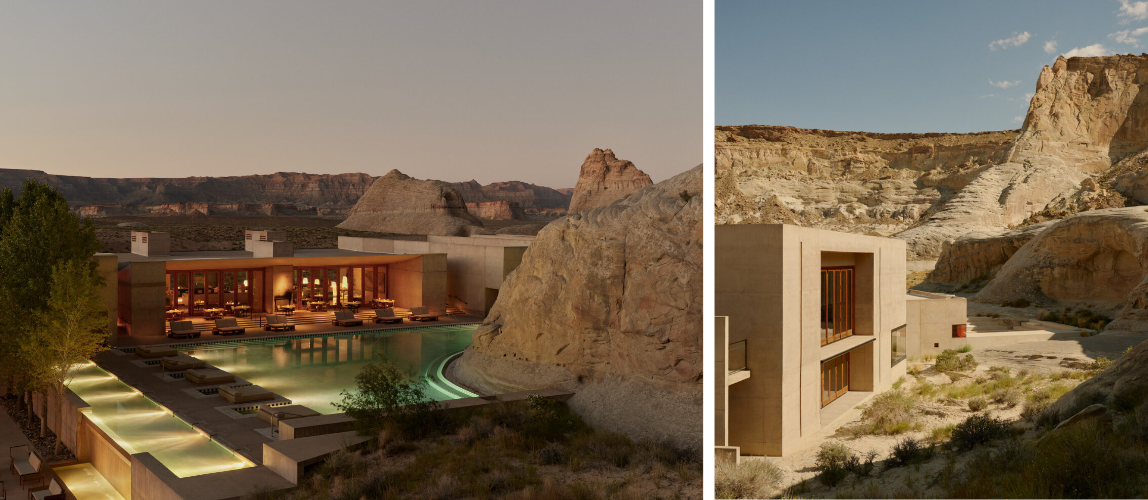
Amangiri, Canyon Point, Utah, United States. Image credit: Aman Resorts
Amangiri in Utah remains one of the clearest expressions of this approach. Wrapped around ancient sandstone formations, the architecture is monumental in its simplicity, drawing influence from Modernist principles while remaining responsive to the desert landscape. A restrained palette of limestone, concrete and natural timber mirrors the colours of the surrounding terrain, while expansive glazing dissolves the boundary between inside and outside. Here, the landscape becomes the primary architectural feature, with interiors carefully choreographed to frame changing light and uninterrupted views.
This sensitivity to place continues to define the brand's newest destinations, including Aman Montenegro. Although each property responds to a completely different context, the underlying philosophy remains consistent: exceptional hospitality begins with understanding the landscape before designing the building.
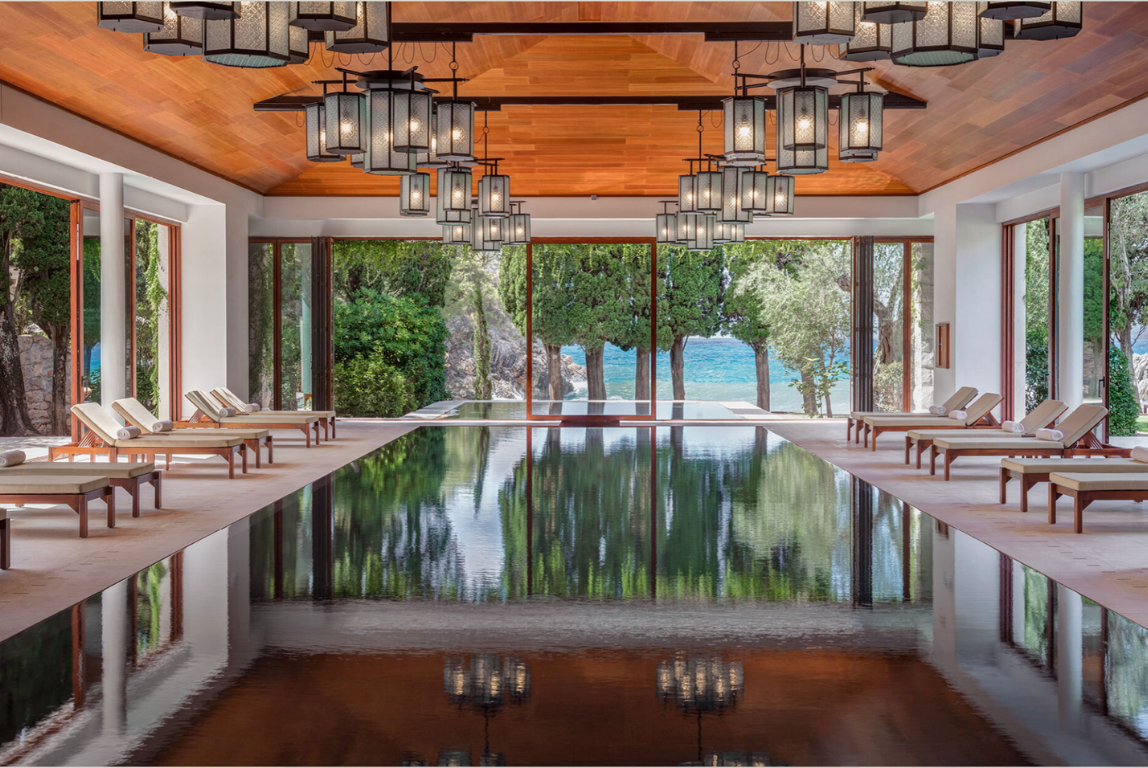
Aman Sveti Stefan, Montenegro. Image credit: Aman Resorts
Capella Hotels has built a distinctive identity by making each property feel inherently residential. Generous proportions, layered natural materials, curated artworks and carefully selected furnishings create spaces that feel more like exceptional private homes than traditional hotels.
Rather than relying on obvious cultural references, each project draws on local craftsmanship, art and architecture to create interiors that feel rooted in their location while maintaining Capella's residential character.
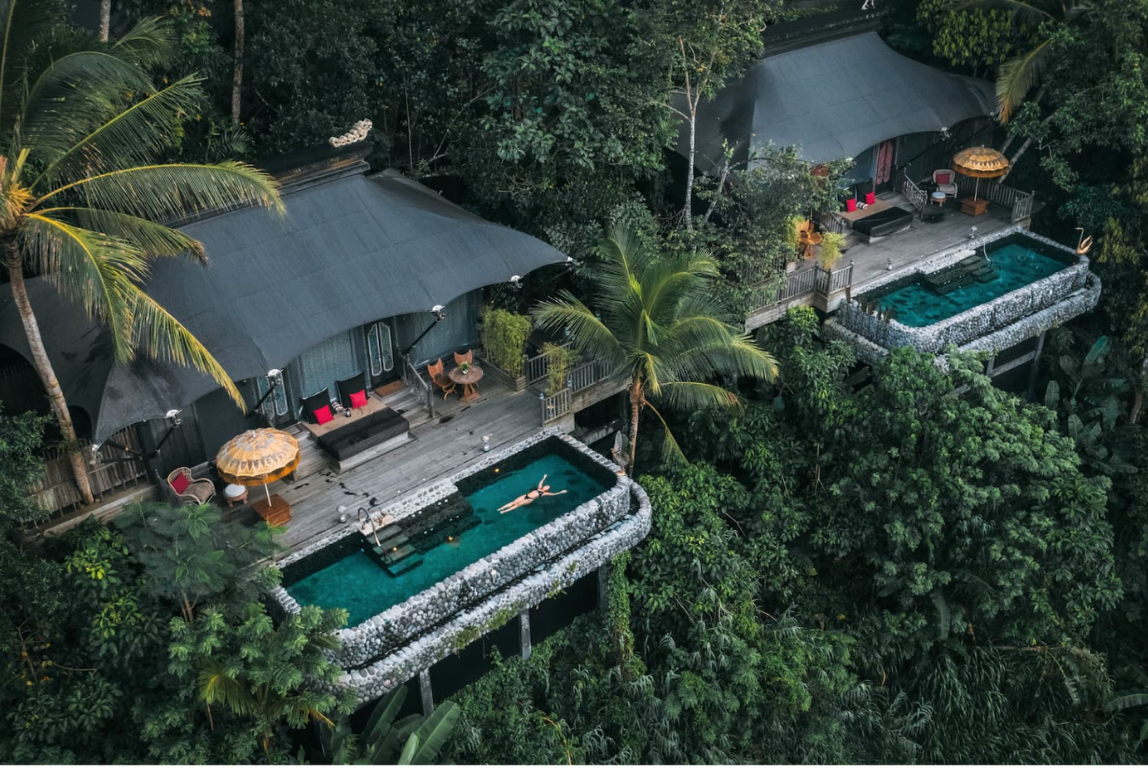
Capella Ubud, Bali. Image credit: Capella Hotels
Designing With Nature, Not Around It
As environmental awareness reshapes contemporary hospitality, many of the world's leading resorts are demonstrating that sustainability need not be treated as an additional feature. Instead, it can become the foundation of an entire guest experience.
On the private atoll of Tetiaroa, The Brando demonstrates how sustainability can shape architecture from the outset. Buildings are carefully positioned within the island landscape, natural materials create a strong connection to place and environmental innovation is integrated throughout the resort.
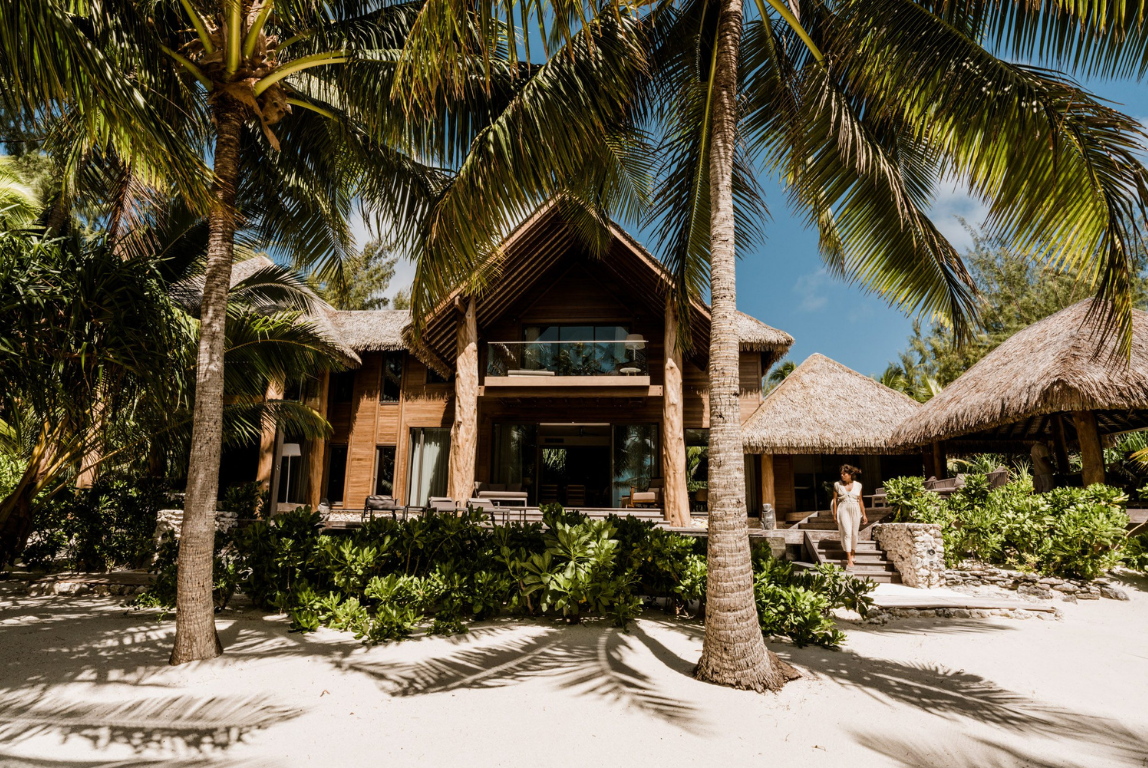
The Brando, Tetiaroa. Image credit: The Brando
A similar philosophy can be found at Kisawa Sanctuary in Mozambique, one of the most innovative hospitality projects in recent years. Buildings are dispersed thoughtfully across the landscape, maximising privacy while preserving uninterrupted views and existing ecosystems. Traditional Mozambican craftsmanship is paired with advanced construction technologies, demonstrating that innovation and heritage can strengthen one another rather than compete.
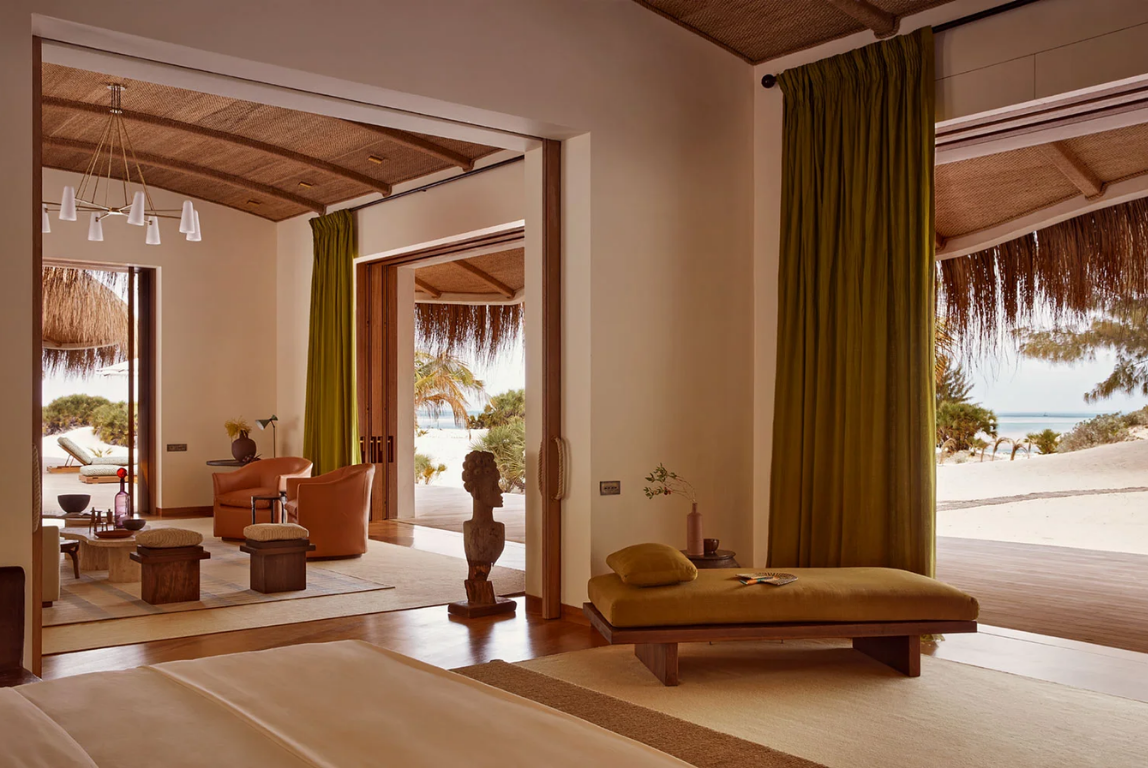
Kisawa Sanctuary, Benguerra Island, Mozambique. Image credit: Elsa Young
Soneva Jani takes a deliberately informal approach to resort design. Organic architecture, responsibly sourced timber and open-air layouts create a seamless relationship between the villas and the surrounding lagoon, while low-density planning allows the landscape to remain the defining feature of the resort. Environmental considerations are embedded within the architecture itself, from passive cooling strategies to material selection, demonstrating how sustainability can be expressed through design rather than technology alone.
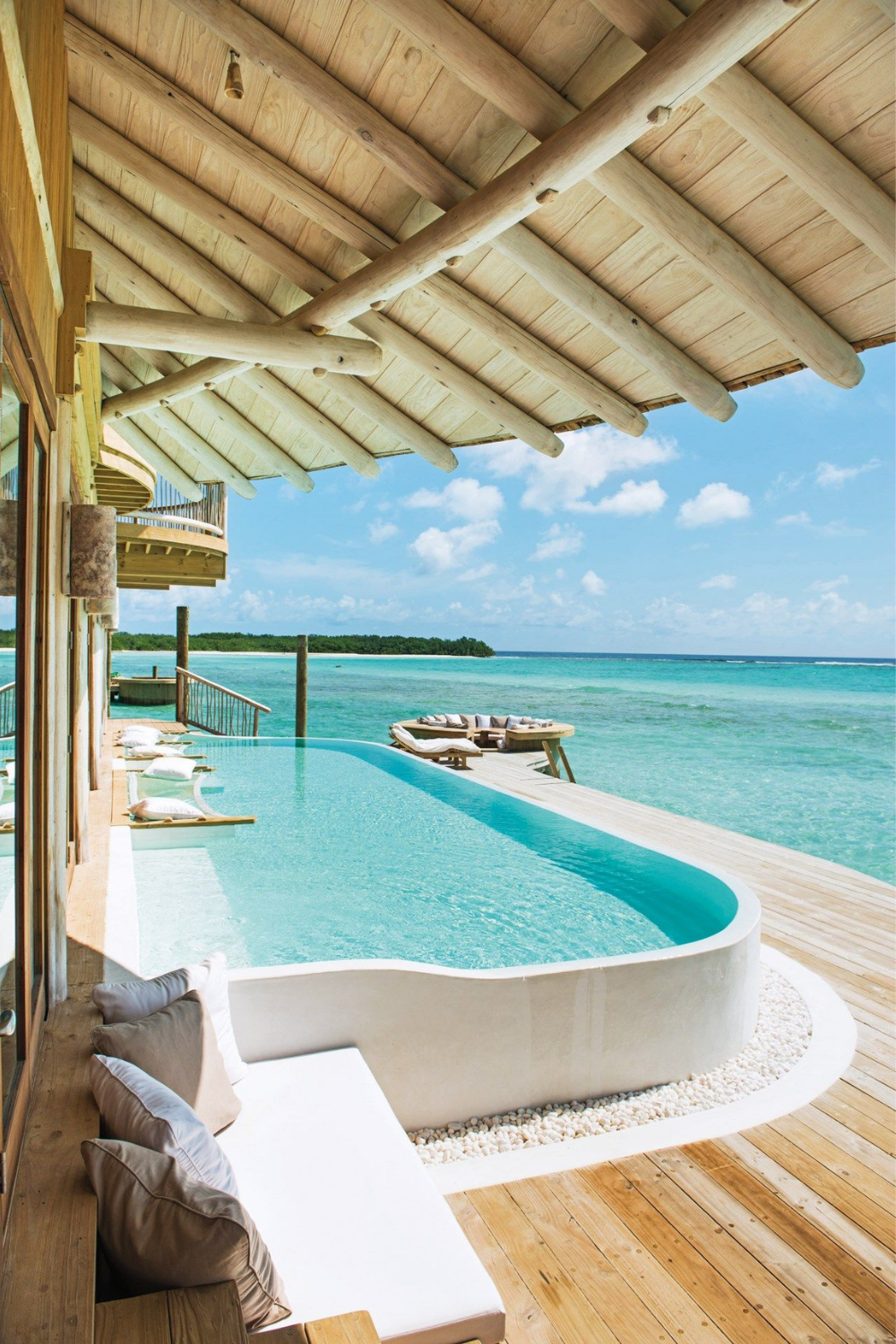
Soneva Jani, Maldives. Image credit: James Bedford
At Six Senses Kaplankaya, limestone buildings are embedded within the coastline, creating a close relationship between the architecture and the surrounding landscape. Interiors extend naturally into outdoor terraces and spa spaces, allowing the coastal setting to become part of the experience.
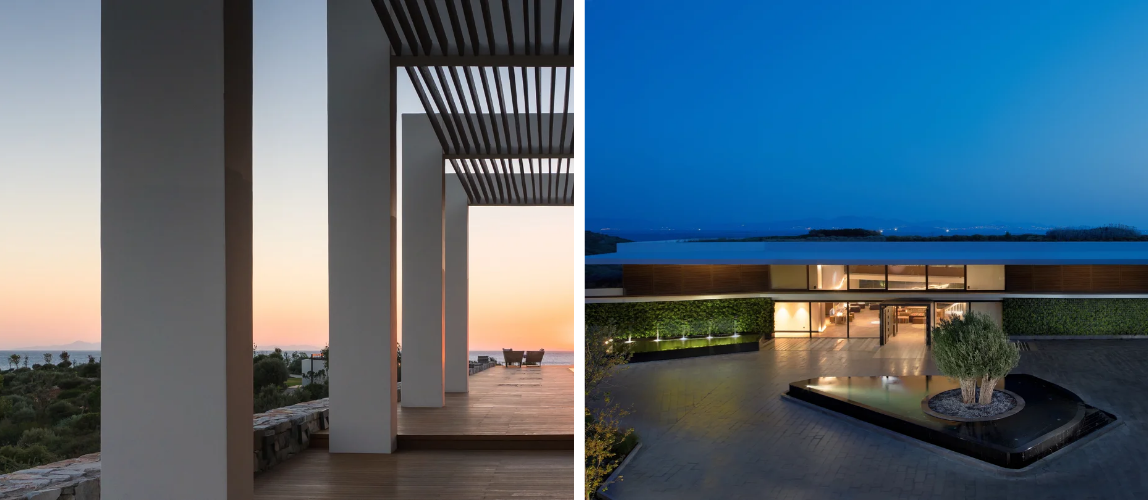
Kaplankaya, Turkey. Image credit: Six Senses Hotel
Restoring the Past, Designing for the Future
Some of the world's most memorable hotels are not new buildings. Instead, they demonstrate how historic architecture can be thoughtfully adapted for contemporary living, allowing the character of a place to evolve rather than be erased.
Abbaye des Vaux de Cernay in France is a compelling example. The transformation of the former Cistercian abbey preserves the grandeur of its Gothic architecture while introducing richly layered interiors that feel warm and intimate enough for modern hospitality. Rather than recreating history, the design embraces it, allowing centuries-old architectural details to sit comfortably alongside contemporary craftsmanship and comfort.
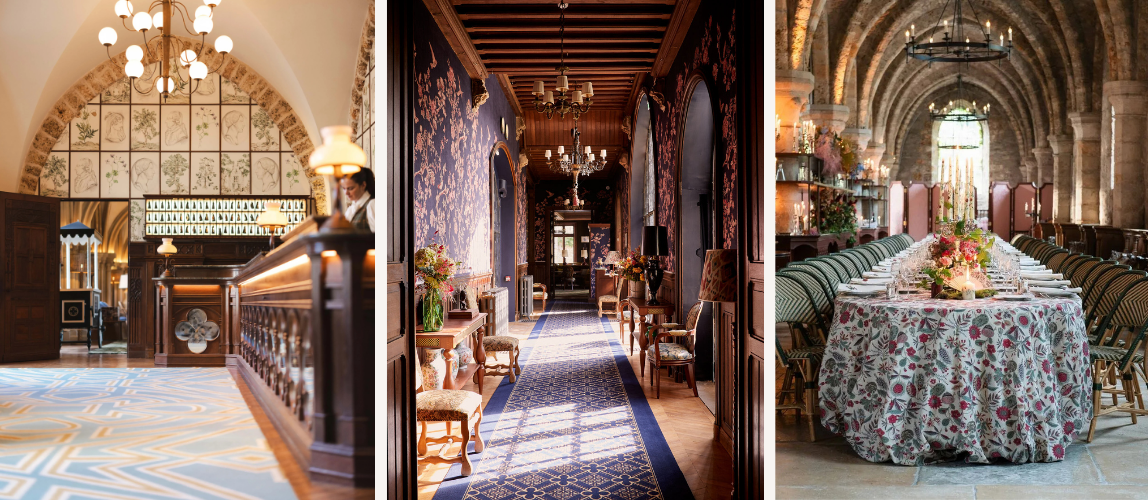
Un Hotel Pres de Paris, France. Image credit: L’Abbaye des Vaux de Cernay
A similar sensitivity defines Rosewood Castiglion del Bosco in Tuscany. Traditional stone buildings, timber construction and centuries of Italian craftsmanship have been carefully restored, with contemporary interventions introduced only where they enhance the experience. Every addition feels respectful of the original architecture, creating interiors that feel timeless rather than nostalgic.
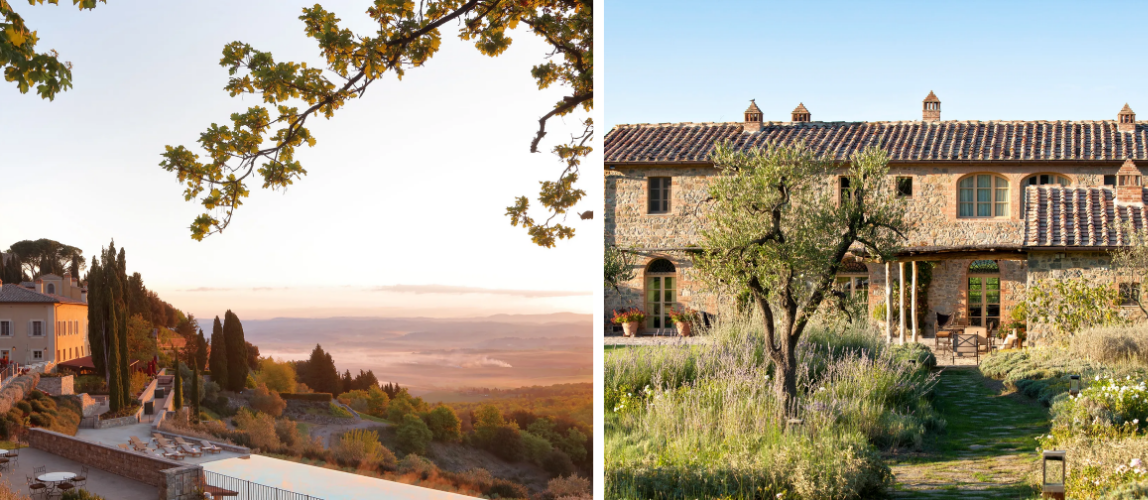
Rosewood Castiglion del Bosco, Tuscany. Image credit: Durston Saylor
Perhaps one of the strongest examples of restoration-led hospitality is Reschio in Umbria. Rather than replacing what already existed, the project celebrates traditional construction methods, handcrafted furniture and meticulously crafted bronze detailing, all guided by a long-term family vision. The result is an estate that feels as though it has evolved naturally over generations.
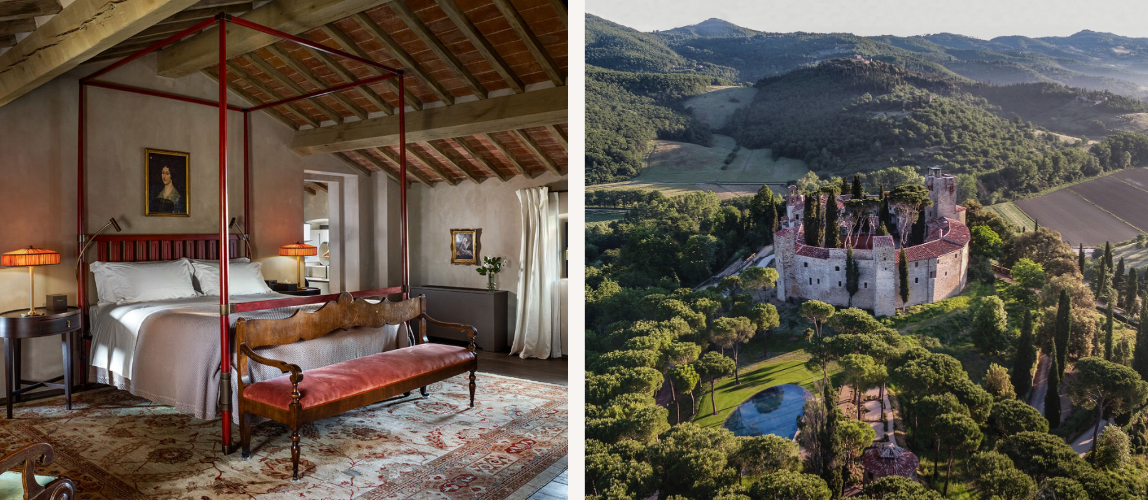
Reschio, Umbria. Image credit: Philip Vile
Similarly, Mezzatorre Hotel on the island of Ischia transforms a historic watchtower into a contemporary retreat without losing sight of its origins. Mediterranean planting, restrained interiors and sensitive architectural interventions allow the building's original character to remain central to the guest experience.
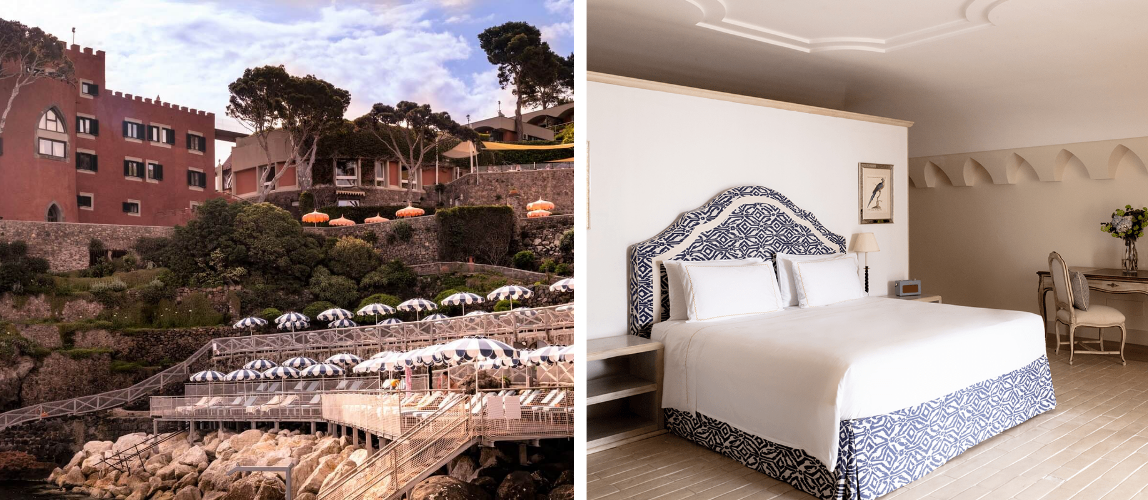
Mezzatorre Hotel, Ischia. Image credit: Pellicano Hotels
Interiors That Shape the Experience
While architecture defines the setting, interiors determine how a hotel is experienced day to day. Through proportion, materiality and craftsmanship, they establish a distinct character that shapes the rhythm of a guest's stay, from moments of arrival to spaces for rest, dining and reflection.
The Upper House in Hong Kong is celebrated for interiors that feel more residential than hotel-like. Warm timber, natural stone and exceptional proportions create spaces that are intimate, understated and welcoming. Public spaces unfold gradually, allowing moments of pause and reflection, while every room balances intimacy with openness.
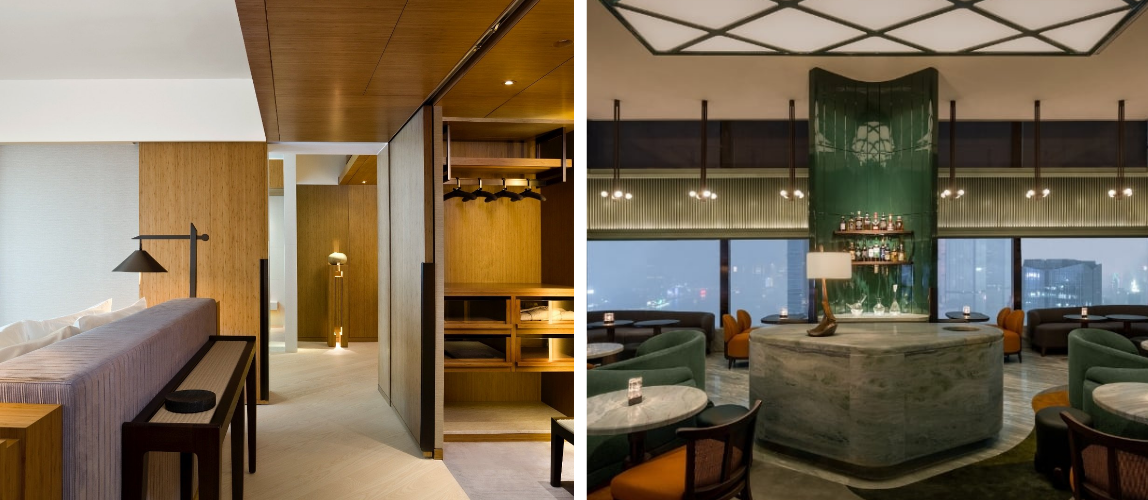
Upper House, Hong Kong. Image credit: Upper House
In Tuscany, Borgo Santo Pietro takes a more layered approach. Gardens, architecture and interiors are designed as one continuous experience, with artisan craftsmanship visible throughout the property. Decorative details never feel excessive because they remain rooted in the wider landscape, reinforcing the sense that every space belongs to its surroundings.
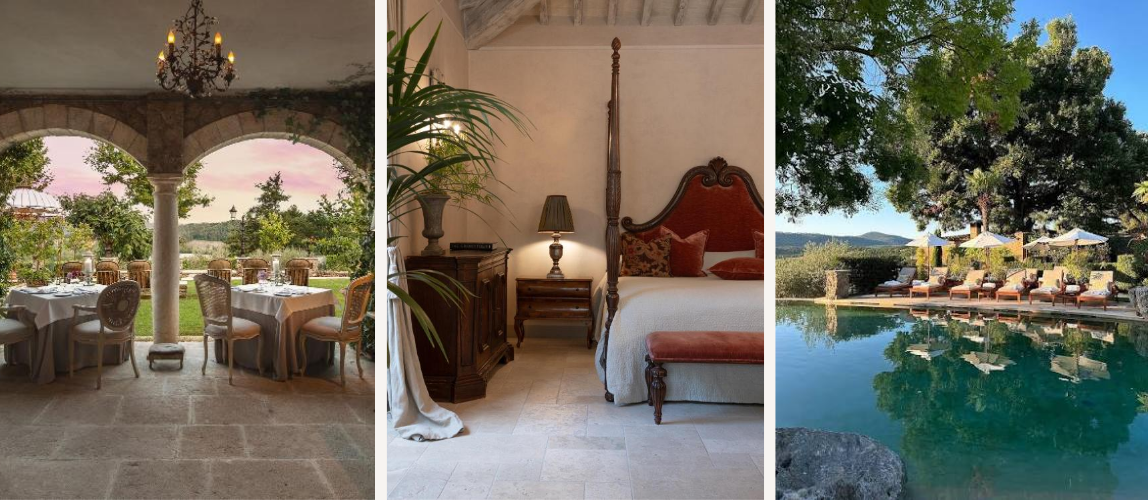
Borgo Santo Pietro, Tuscany. Image credit: Borgo Santo Pietro
Fashion's Influence on Hospitality
Increasingly, hospitality extends beyond architecture into carefully curated brand experiences. Collaborations between fashion houses and hotels have become an opportunity to reinterpret established identities through a new lens, enriching the guest experience while remaining sensitive to place.
Burberry's seasonal transformation of Hôtel Belles Rives on the French Riviera reimagines British heritage through striped textiles, signature checks and refined outdoor furnishings that feel entirely at home within the Mediterranean setting.
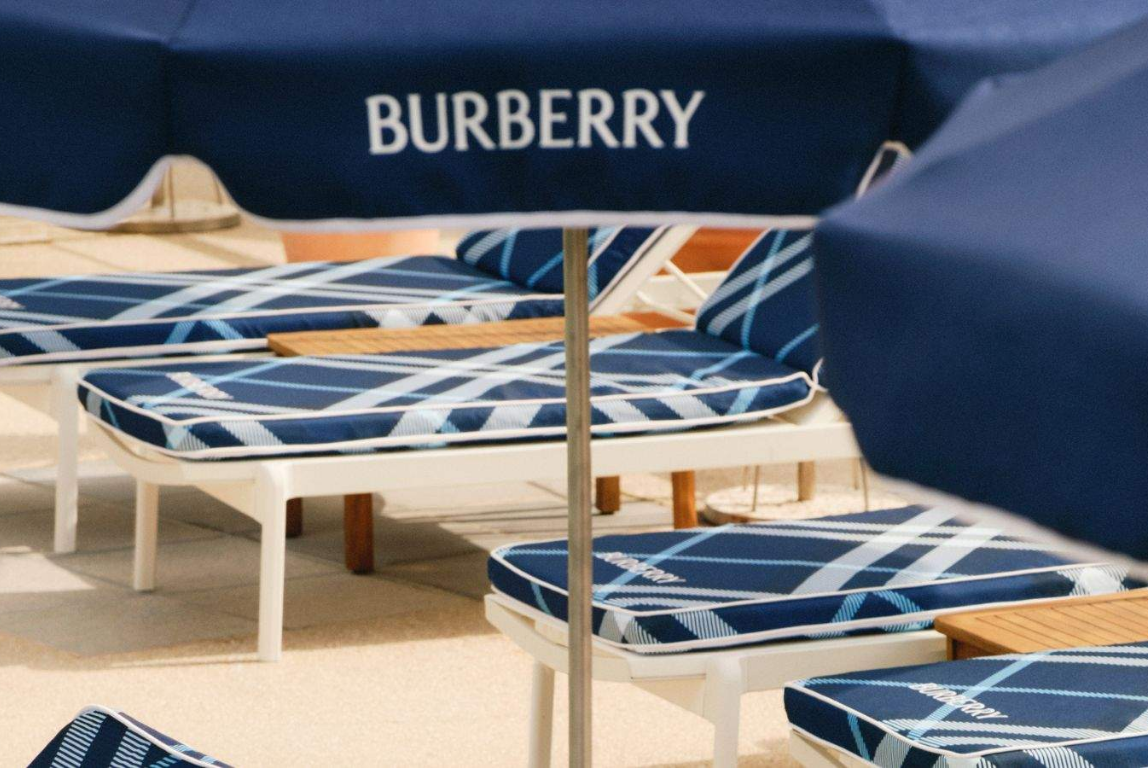
Burberry's Hôtel Belles Rives, French Riviera. Image credit: Belles Rives
Similarly, Jacquemus' collaboration with Mandarin Oriental Bodrum translates the fashion house's minimalist aesthetic into hospitality through sculptural forms, soft yellow tones and natural fibres. Rather than overwhelming the destination, the intervention complements its existing architecture.
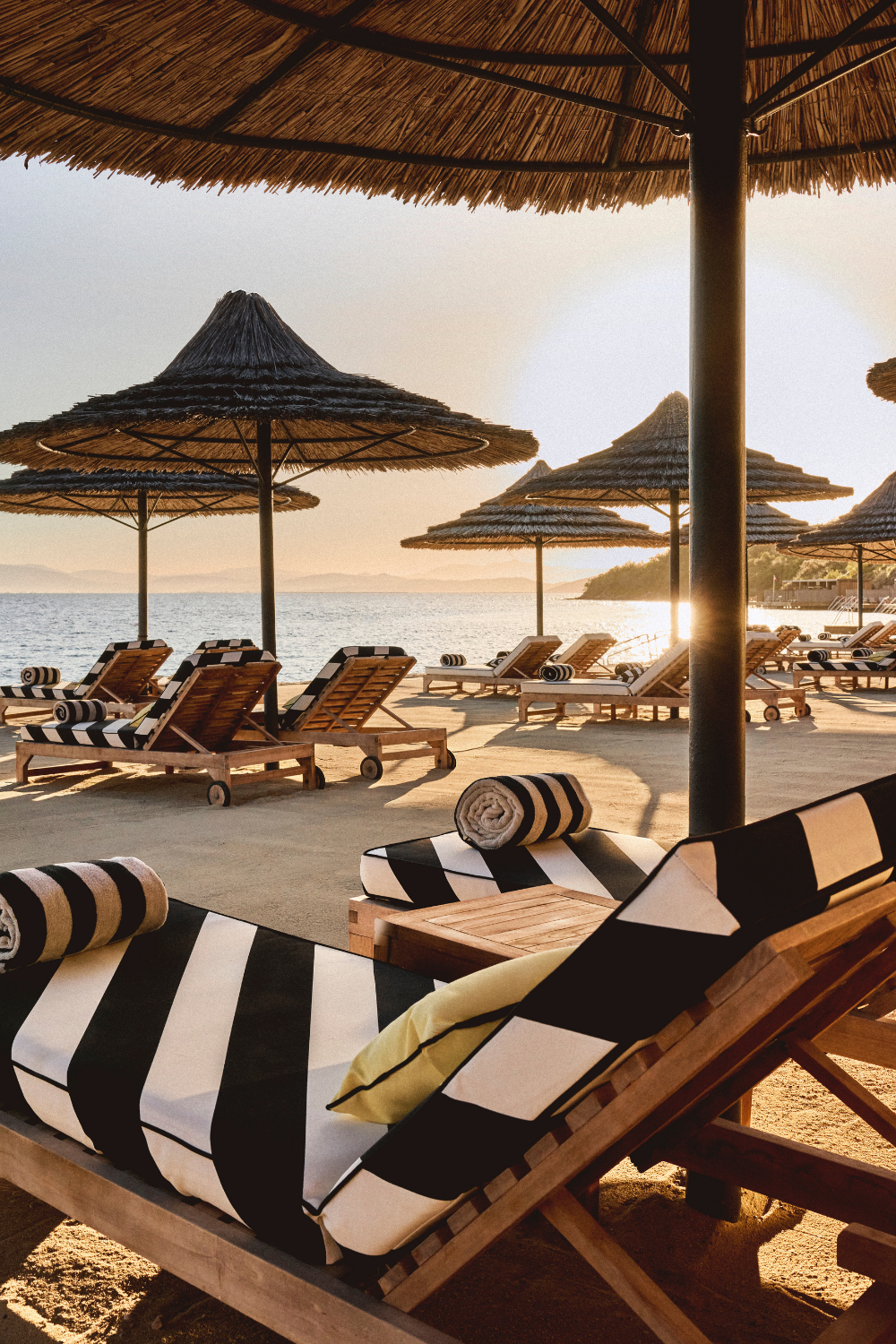
Jacquemus' Mandarin Oriental Bodrum. Image credit: Mandarin Oriental
Elicyon's Approach to Hospitality Design
At Elicyon, we believe exceptional hospitality begins with understanding people as much as place. Every destination has its own rhythm, culture and landscape, but equally important is the experience of those who will inhabit it. The way guests arrive, gather, retreat and reconnect informs every design decision, allowing architecture and interiors to support meaningful experiences rather than simply provide accommodation.
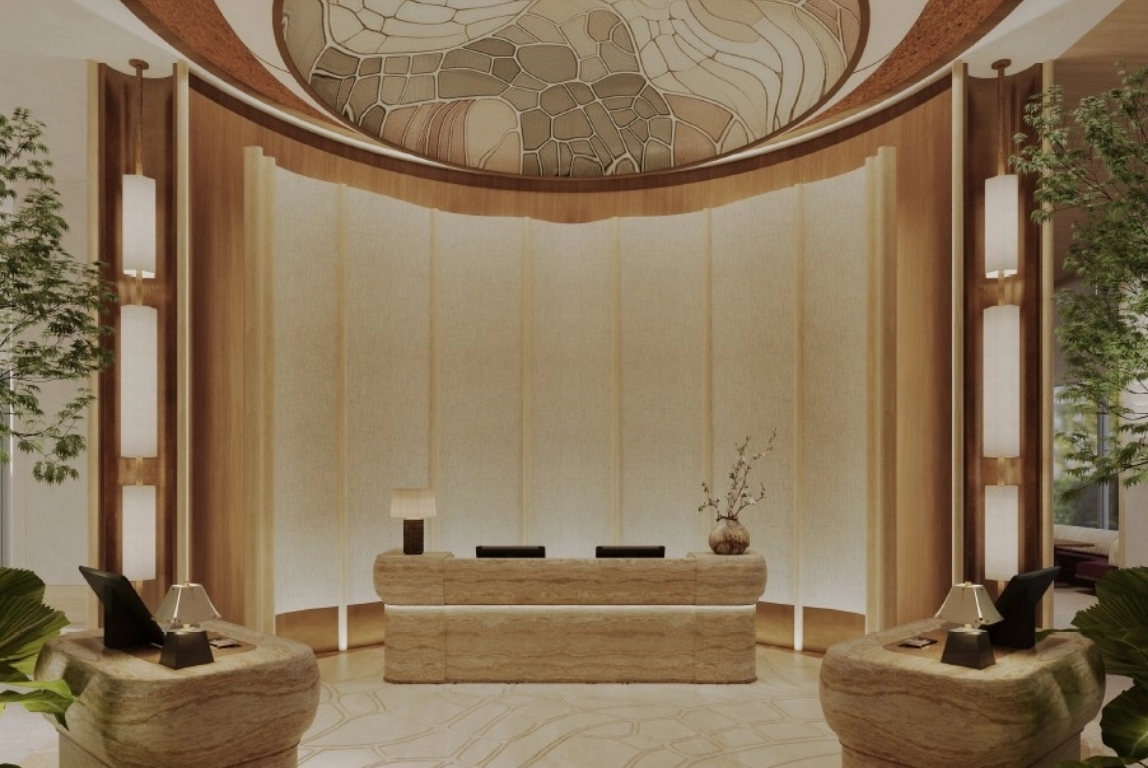
The Singapore Botanical Hotel by Elicyon
This philosophy continues to shape our growing hospitality portfolio. Current projects include the Singapore Botanical Hotel, where architecture and landscape exist in close dialogue, alongside a boutique hotel in Sri Lanka and an upcoming resort in the Maldives. Although each project responds to a distinct setting, they share a common ambition: to create destinations that feel rooted in their surroundings while delivering experiences that are both refined and deeply personal.
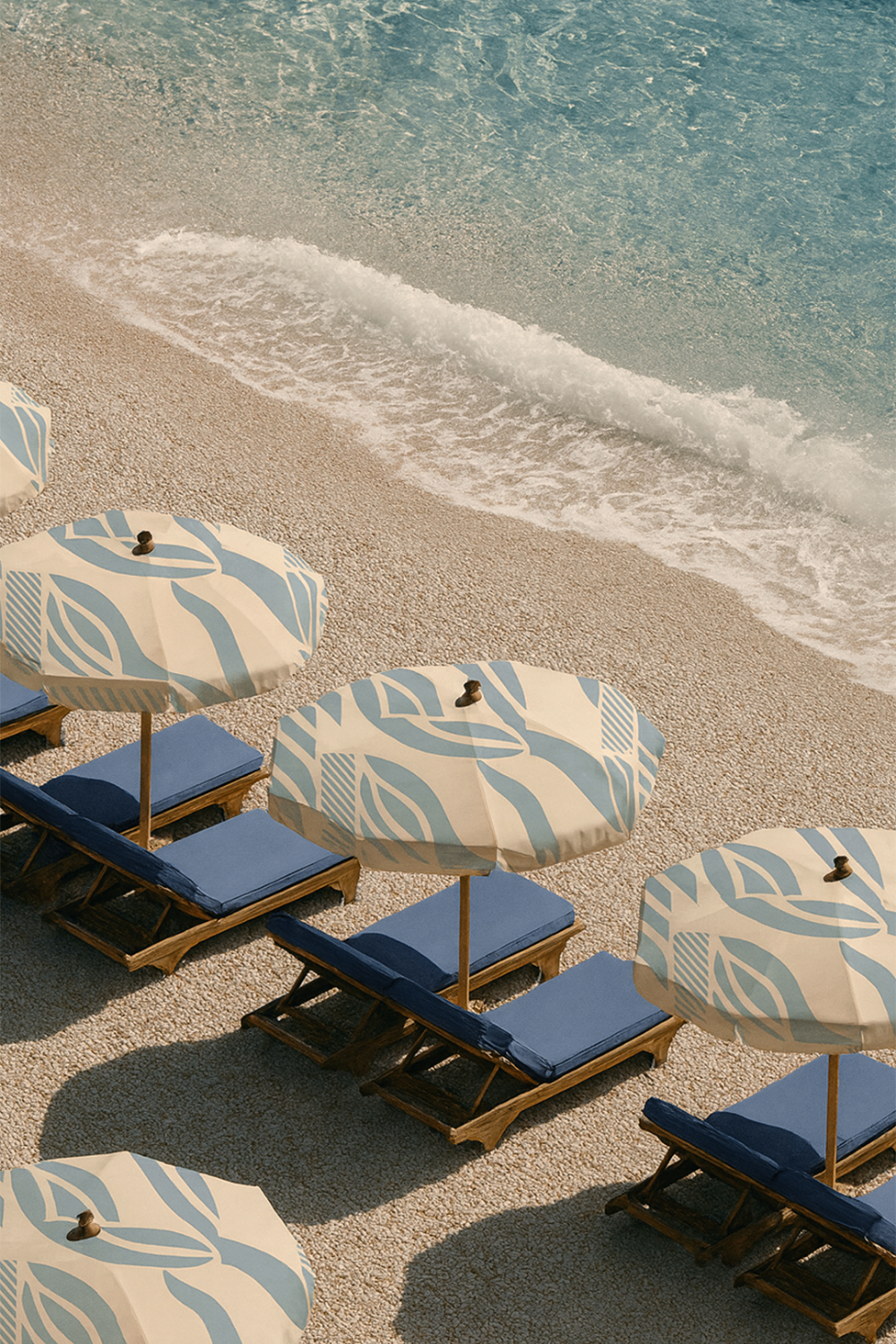
The Elicyon Beach Club Design
A similar approach informs Elicyon's creative work beyond the built environment. For a recent Monaco campaign, the studio designed a custom blue and white textile inspired by the sinuous rhythms of the Mediterranean coastline. Brought to life through AI-generated imagery, the campaign translated the colours, movement and atmosphere of the Riviera into a distinctive visual language, demonstrating how Elicyon's design thinking extends across interiors, hospitality, landscape and brand experiences.
Our work on branded residences has also provided valuable insight into the evolving relationship between hospitality and residential design. Projects including The Whiteley by the Six Senses, The OWO Residences by Raffles, The Dubai Penthouse for Dorchester Collection and our Knightsbridge Apartment for Mandarin Oriental draw upon the service, craftsmanship and considered detailing associated with internationally recognised hospitality brands, while creating homes tailored to everyday living.
Across every project, the ambition is the same: to create places that feel inseparable from their setting and intuitive to inhabit. As the hotels featured throughout this article demonstrate, enduring hospitality design is defined not by spectacle, but by the careful relationship between architecture, interiors and the people who experience them.
Every project begins with a conversation. To learn more about our studio and approach, visit our Studio page. For specific project enquiries, we invite you to contact our Client Relationships Director, Tess Cavendish, directly at tcavendish@elicyon.com.
Share Article
EXPLOREMORE
Go beyond the finished spaces. Explore the insights, inspirations, collaborations, and ideas that shape our world.